When the Red Dead Redemption port landed on Nintendo Switch and PlayStation 4 back in 2023, the reaction from the community was anything but unanimous. Some called it a lazy cash grab, others a missed opportunity. But fast-forward to 2026, and the dust has settled enough to see the upgrade for what it really is: a thoughtful preservation of a classic that just happens to shine in a handful of unexpected ways. Sure, it didn’t bring 60 FPS or multiplayer, but Double Eleven Studios made a handful of quiet, impactful tweaks that make this version the definitive way to experience John Marston’s journey. Here are five reasons why this port actually outshines the 2010 original.
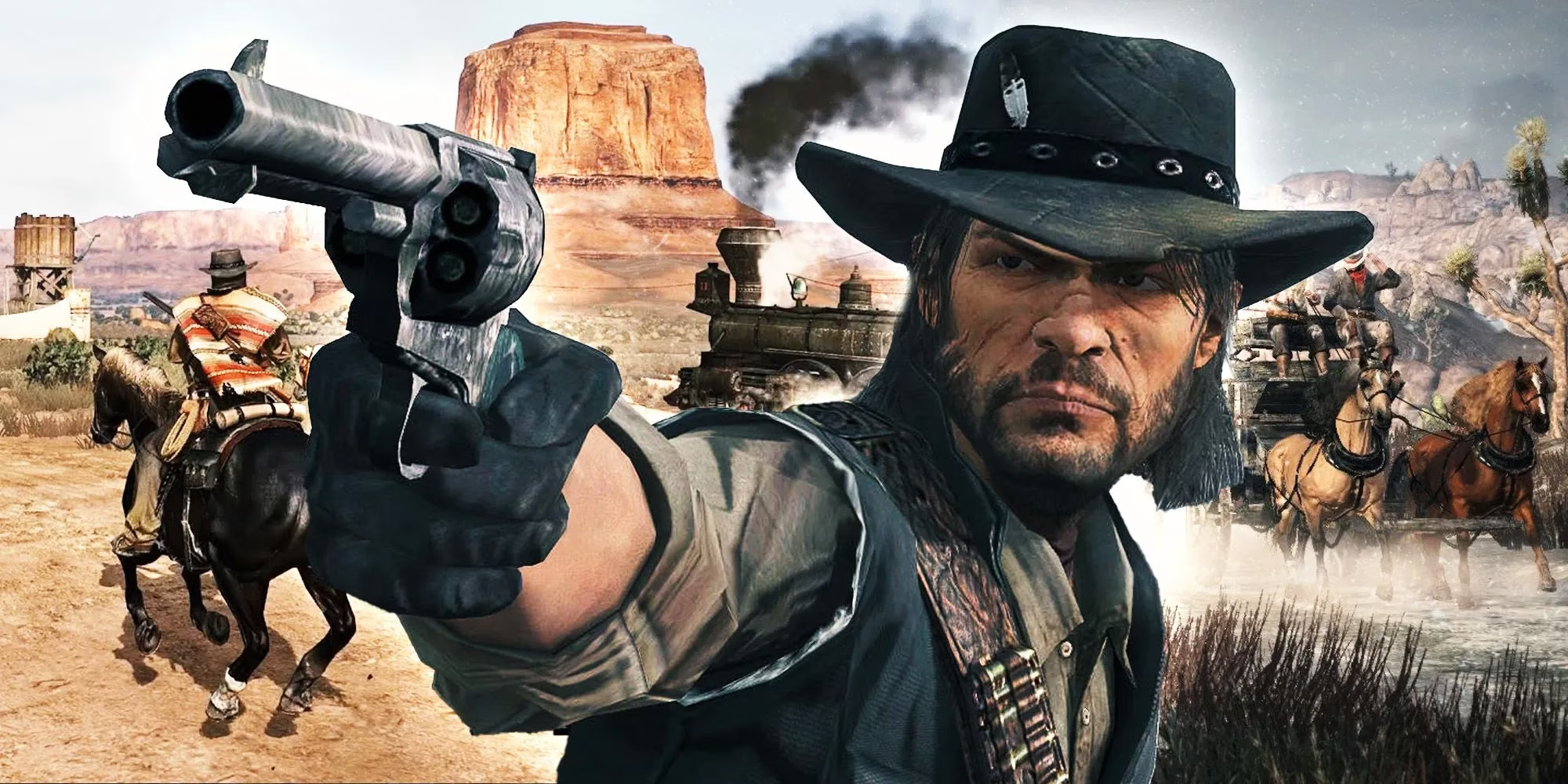
1. A Sharper View of the Frontier
Let’s start with the most obvious upgrade: resolution. The original Red Dead Redemption on Xbox 360 topped out at 720p, and the PlayStation 3 version languished around 640p. On a 2026 4K television, those numbers look downright pixelated. The 2023 port bumped the base resolution to a crisp 1080p (1920x1080 native), and thanks to backward compatibility on PlayStation 5 and Xbox Series X/S, the game can be upscaled to a full 3840x2160—4K. That’s a staggering leap that uncovers details in the desert scrub and facial animations that were previously smeared into oblivion. The lighting and shaders remain largely untouched, preserving the original’s dusty, sun-bleached atmosphere, but now you can actually count the stitches on John’s vest. It’s a visual glow-up that doesn’t tamper with the soul of the game.
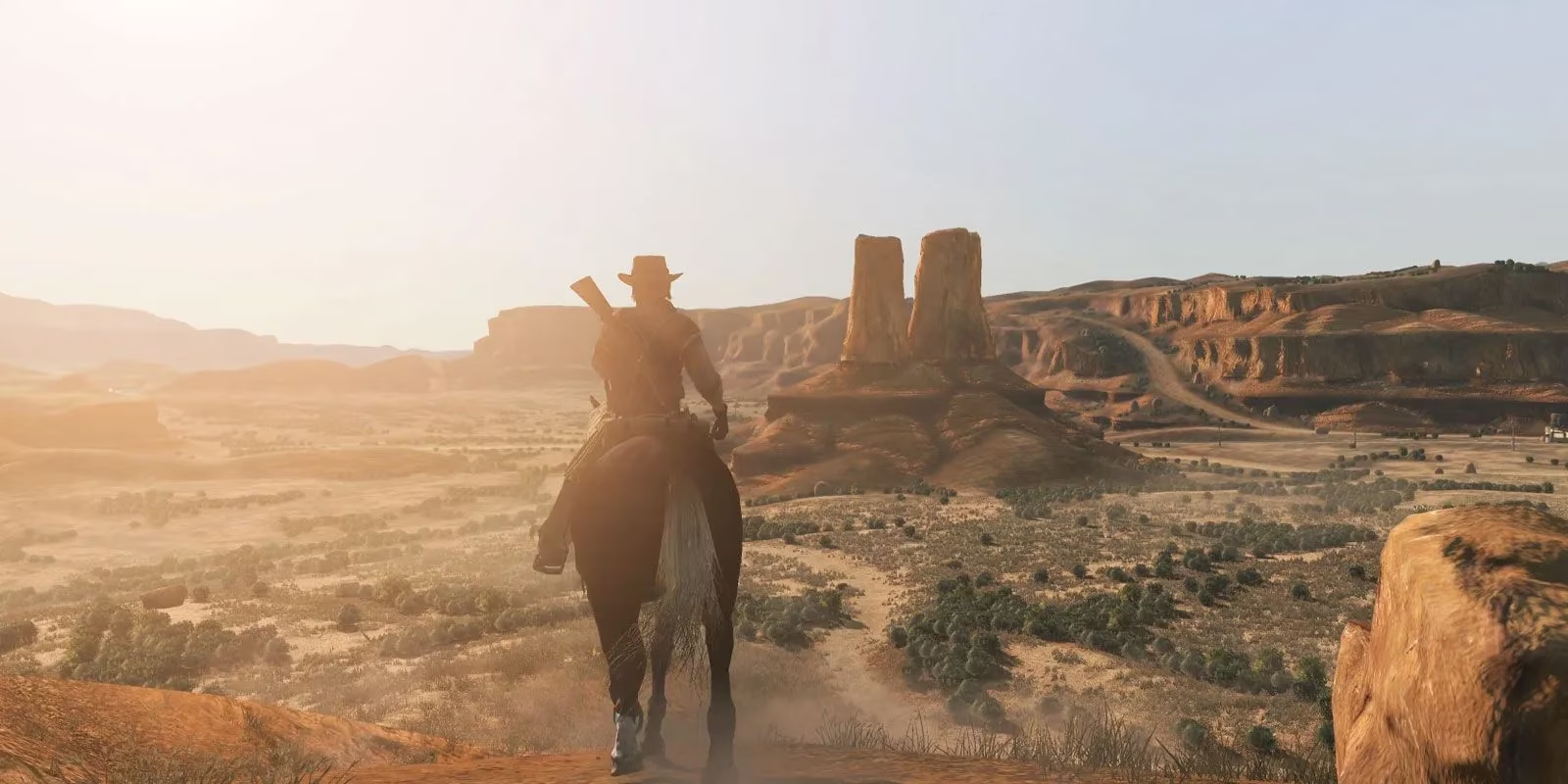
2. Small Tweaks That Make a Big Difference
Quality-of-life changes often get overlooked in remasters, but they’re exactly what turn a good port into a great one. The Red Dead Redemption re-release added a set of sliders that let you adjust the size of subtitles, objective text, and help prompts. On a big living-room TV that might feel trivial, but on the Nintendo Switch’s built-in display—or even its OLED successor—that tiny text can be a real strain. Being able to bump up the font size means you can follow every dry-witted remark from Bonnie MacFarlane without squinting. There’s no complete HUD overhaul here, and the core mechanics remain as charmingly deliberate as they were in 2010, but that one small slider makes the difference between a comfortable handheld session and a headache.
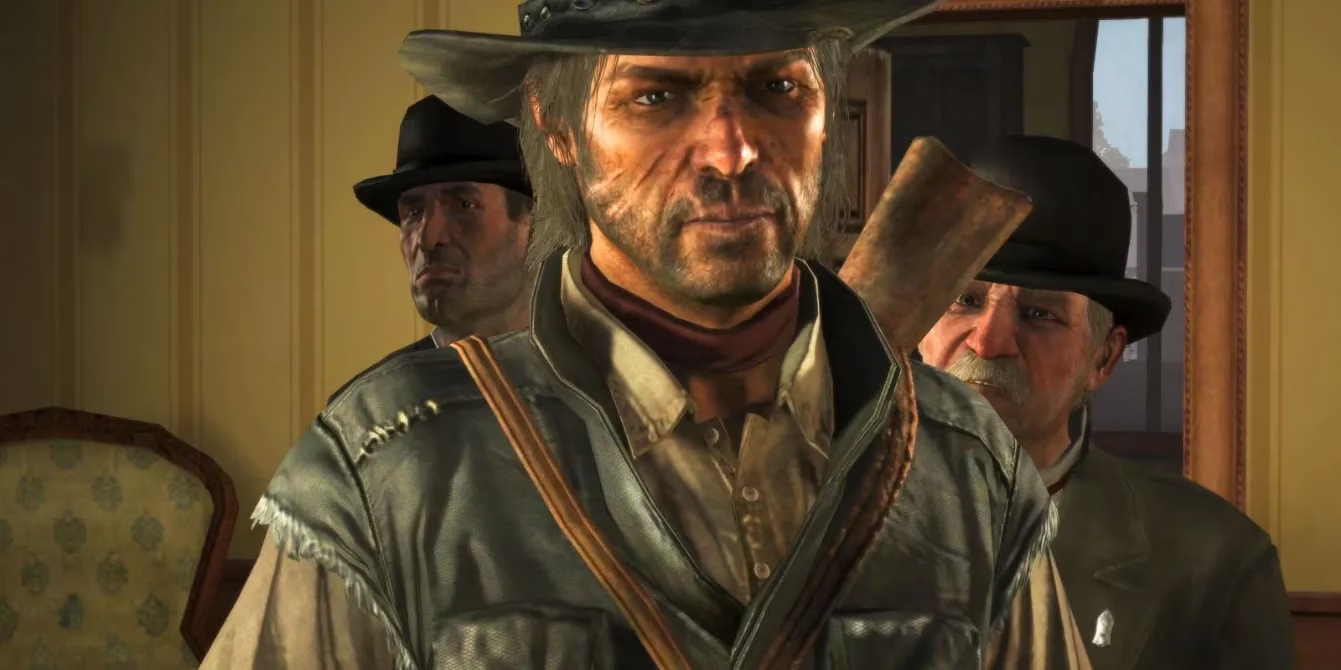
3. Smoother Lines Without Losing Character
Jagged edges—those ugly staircase patterns that plagued early HD-era games—are all but extinct in 2026. The original RDR had them in spades, especially across fence posts and the brim of a cowboy hat. The port tackles this with AMD FidelityFX Super Resolution (FSR) 2.2 on PlayStation 4 (and by extension PS5), smoothing out the image remarkably well without sacrificing the dusty grit of New Austin. On the Nintendo Switch, where FSR isn’t available, the game uses a high-quality FXAA implementation that does the job nicely. The result is a world that feels more solid and less like a flickering optical illusion. It’s subtle—you might not consciously notice it—but take the game away and the jaggies suddenly feel like a time machine to a cruder era.
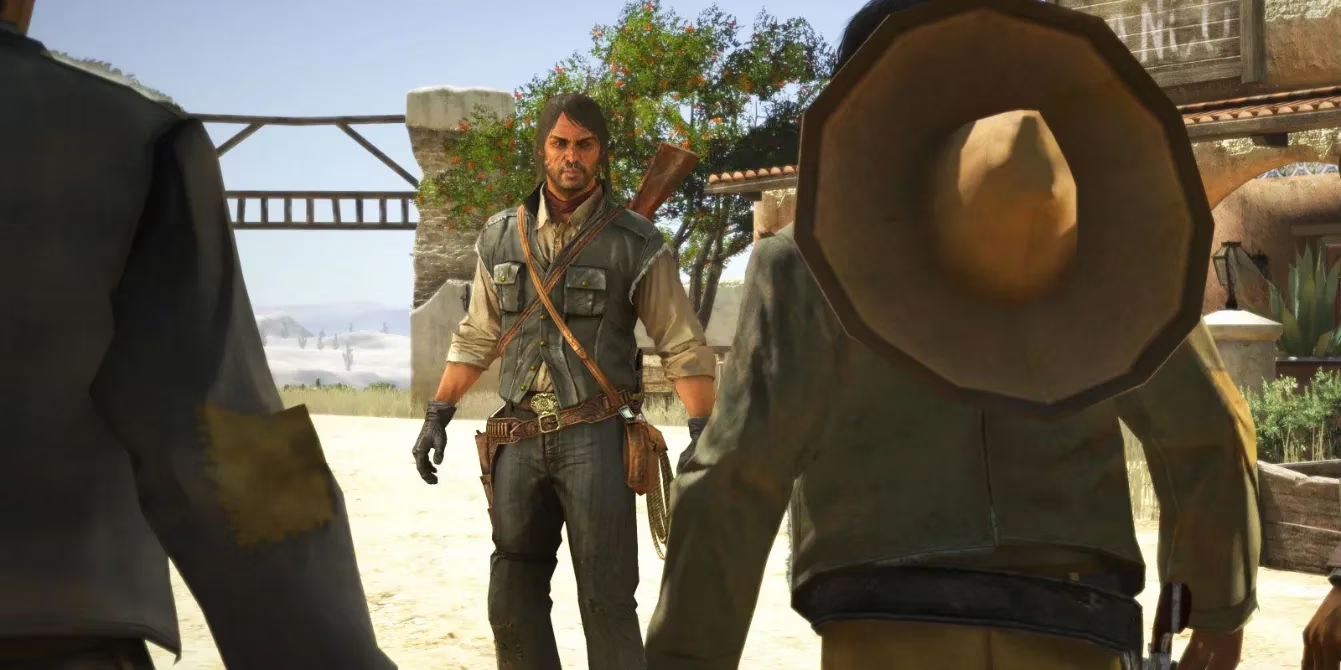
4. A Time Capsule That Welcomes Newcomers
For every gamer who fondly remembers 2010, there’s a whole generation who wasn’t even born when Red Dead Redemption first galloped onto consoles. The 2023 port serves as a perfect museum piece, delivering the exact same mission structure, honor system, and random encounters that defined open-world games at the start of the decade. In an age of bloated, live-service checklists, stepping into a tighter, more focused frontier feels almost refreshing. The lack of multiplayer and rock-solid 30 FPS cap might look like omissions, but they force players to engage with the story and atmosphere the way it was originally designed. There’s no risk of a modern update muddying the tone with microtransactions or battle passes. It’s a clean, undiluted Red Dead Redemption that’s ready for a new audience—and for veterans, a chance to revisit without the baggage of a complete remake.
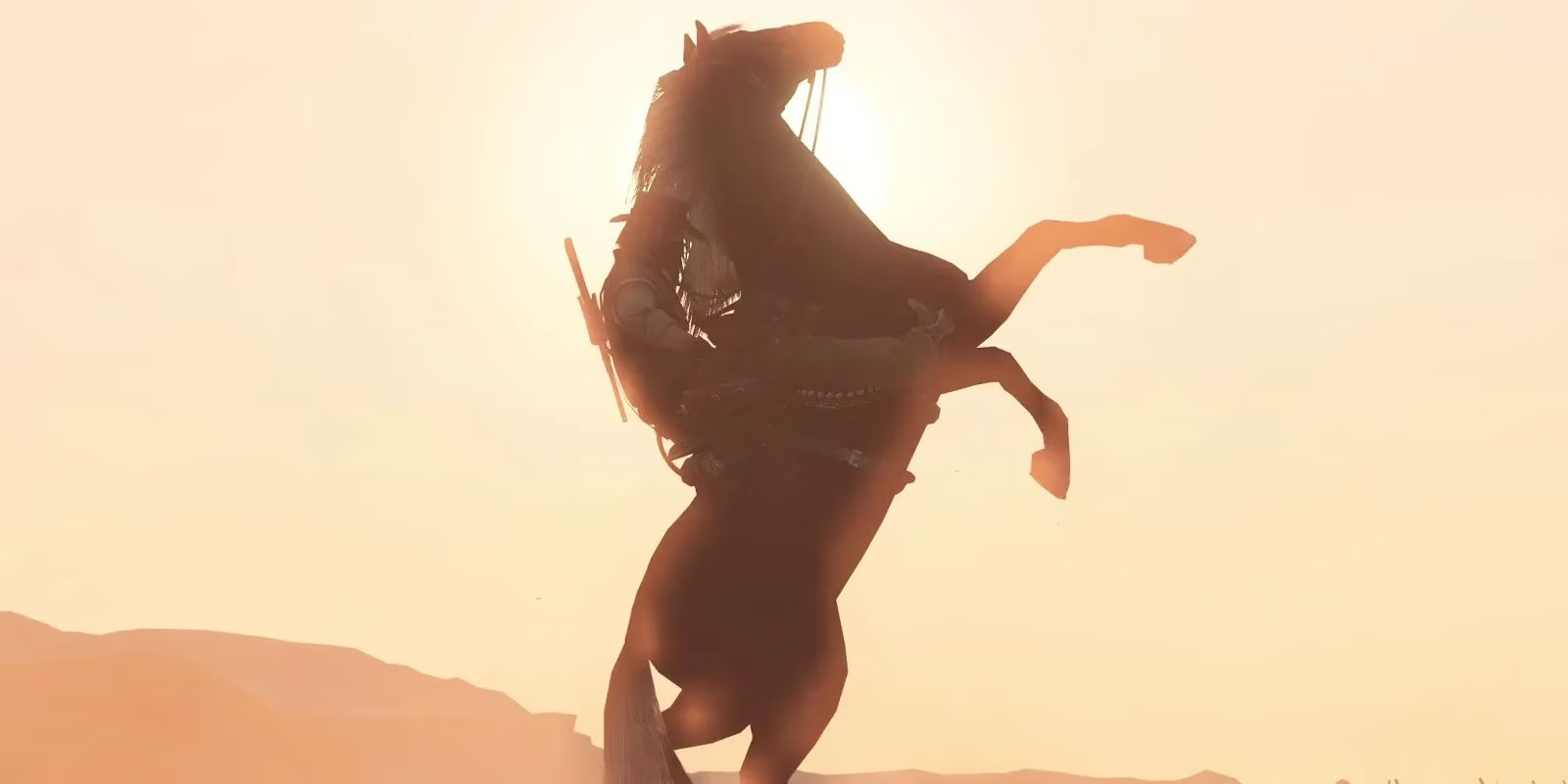
5. The Frontier in Your Pocket
Perhaps the single most magical thing about this port is its existence on the Nintendo Switch. For the first time, Red Dead Redemption is truly portable. Before 2023, playing the game away from a TV or monitor was impossible—there was no PC release to run on a Steam Deck or ROG Ally. Now you can ride through Mexico while on an actual train, or hunt bounties during a lunch break. The Switch version runs at a stable 30 FPS with a native 1280x720 resolution in handheld mode, and it looks stunning on the console’s 7-inch screen. Character models stay sharp, the draw distance holds up, and the audio—from the twang of a guitar to the thunder of hooves—remains immersive through headphones. It’s not just a technical achievement; it fundamentally changes how you can enjoy the game. Parents, commuters, and anyone who’s ever wished they could carry New Austin in a bag finally got their wish.
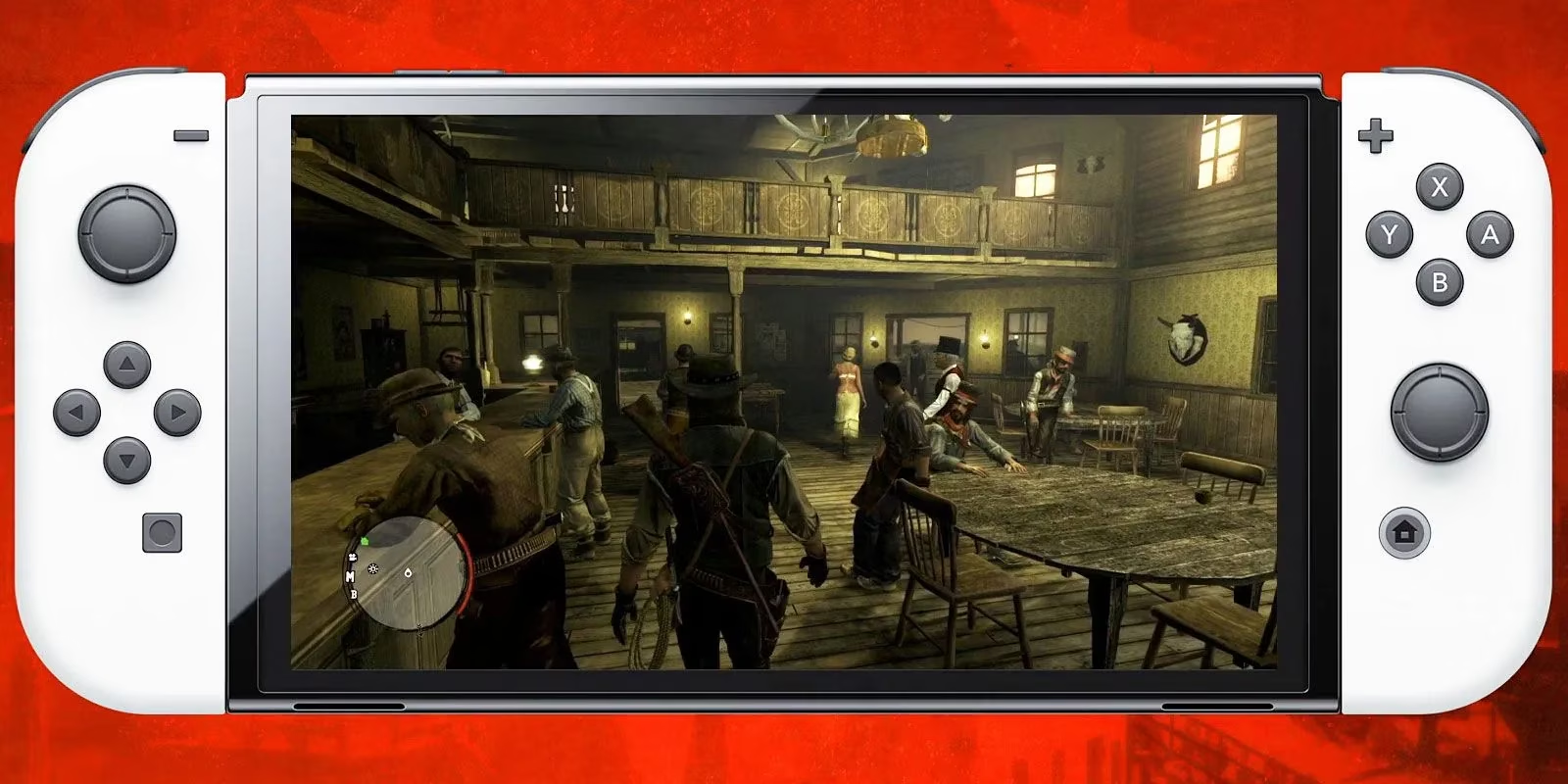
All told, the Red Dead Redemption port for Switch and PS4 was never meant to be a ground-up remake—and that’s okay. By focusing on resolution, anti-aliasing, and a few smart accessibility tweaks, it lets the 2010 classic speak for itself. In 2026, when many “remasters” ship with broken lighting or soulless texture replacements, this quiet, respectful upgrade feels like an act of preservation. Whether you’re chasing down Bill Williamson on a 4K TV or exploring Tall Trees on a handheld, the port offers something the original never could: effortless access to one of gaming’s finest stories. And in an industry obsessed with the next big thing, that’s a rare gift indeed.
Data referenced from VentureBeat GamesBeat helps frame why the 2023 Red Dead Redemption port’s “quiet” upgrades matter: in a market where remasters often exist to extend a catalog’s commercial life, the real differentiator is whether the release improves accessibility and long-term preservation without destabilizing the original creative intent. Looked at through that lens, the port’s higher baseline resolution, modern anti-aliasing approach, and practical UI readability options align with contemporary expectations for legacy re-releases—delivering a cleaner, more playable version of the 2010 experience while avoiding the risk and scope creep of a full remake.
Comments