In the autumn of 2026, Alex sat in his dimly lit study, a wall of screens displaying half a dozen virtual landscapes. A geologist by training and a gamer by passion, he had spent the last month on a peculiar project: measuring how well modern open-world titles replicated the Earth’s geological systems. To him, the feeling of dirt under virtual boots, the way a river carved its valley, or how a shoreline eroded over time were not just graphical flourishes—they were testaments to how far game design had evolved. He leaned back and let his mind drift through the geological masterpieces that had shaped a golden age of realism.
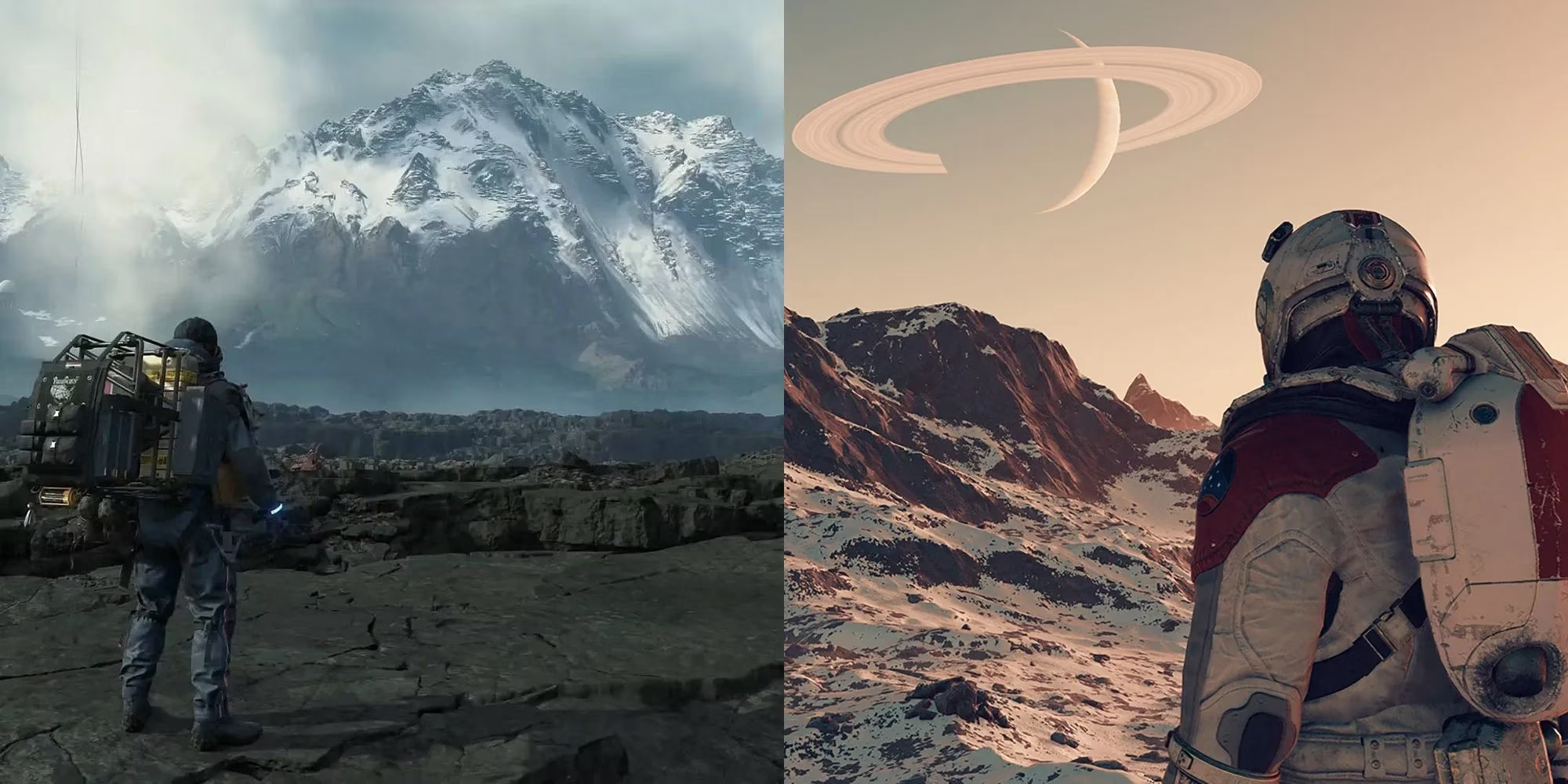
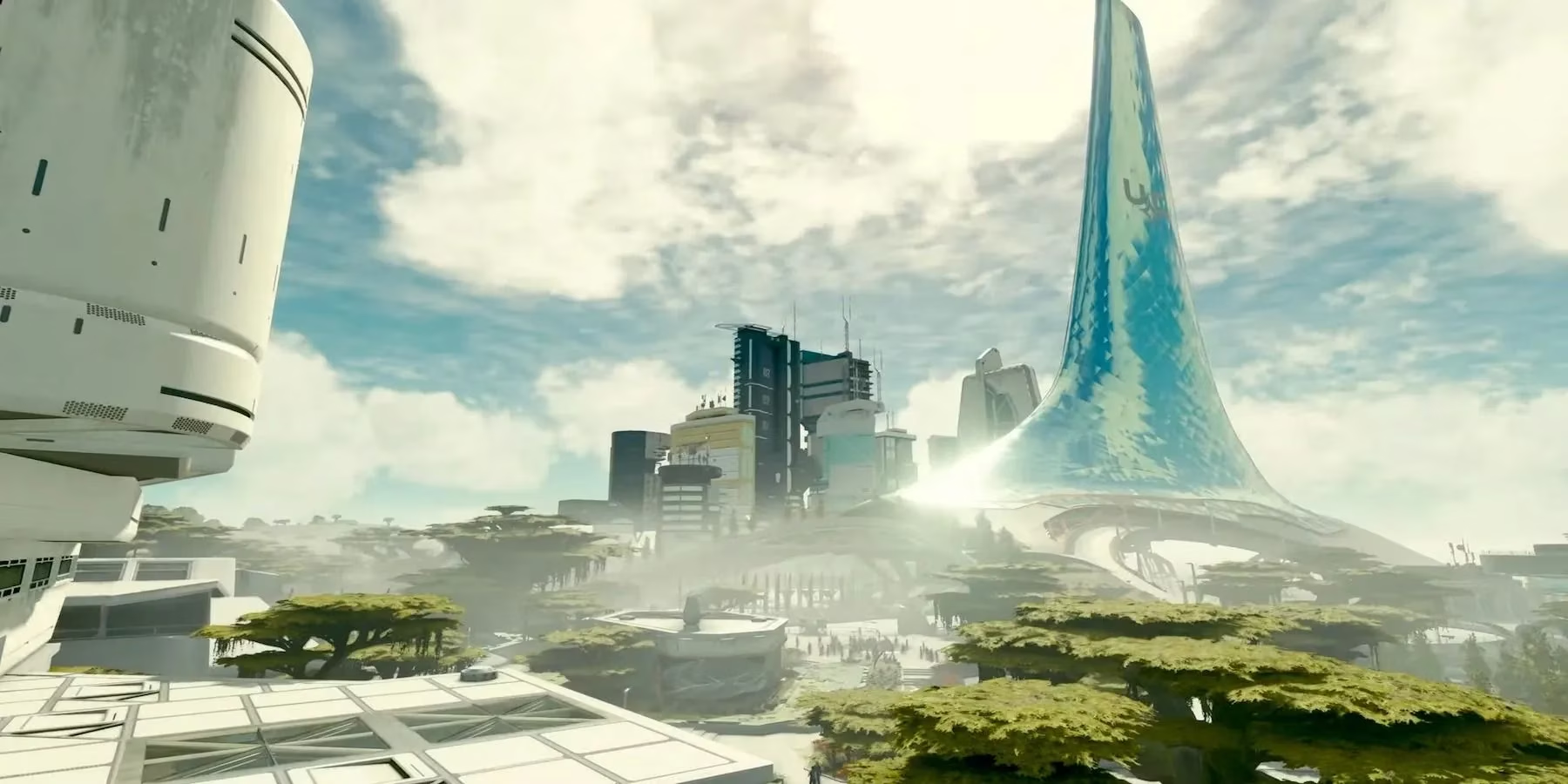
Years earlier, when Starfield launched, nobody expected it to be a lesson in planetary science. Yet here was a universe with over a thousand planets, each assembled from modular geological parts that somehow felt coherent. Alex had spent hours cataloging the basalt plains of Jemison, fascinated by the way volcanism seemed to follow logical patterns. Craters appeared in clusters where you’d expect ancient impacts, ice caps sat at plausible latitudes, and mineral veins hinted at deep hydrothermal processes. It wasn’t a perfect simulation—gravity and atmospheric physics often took a back seat to gameplay—but the sheer variety of geological representations made it the most ambitious cosmic atlas in gaming.
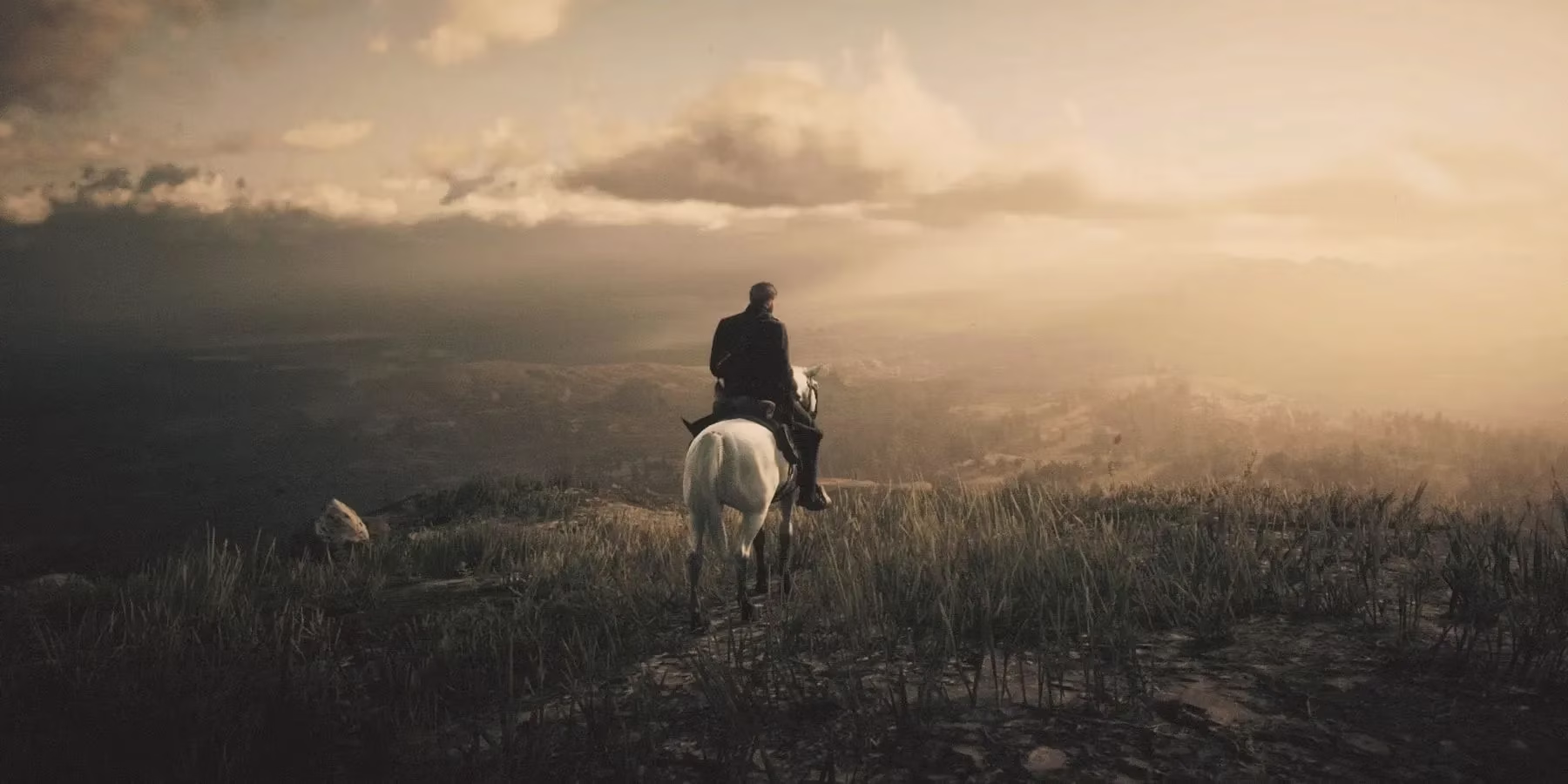
But it was down on Earth, or its fictional equivalents, where geology truly shone. Alex’s favorite was Red Dead Redemption 2, a game he returned to every spring like a migrating bird. The heartlands of New Hanover were a masterwork of biome transitions. Wetlands gave way to deciduous forests with almost mathematical precision, and those forests climbed into taiga and finally into stark hinterland at higher elevations. The soil itself seemed alive—mud stuck to hooves, snow compacted underfoot, and the rocks along the Dakota River were sorted by size as they would be in a real floodplain. When Alex went fishing in the Kamassa River, he could predict where catfish would lurk based on the undercut banks, just as his field training had taught him.
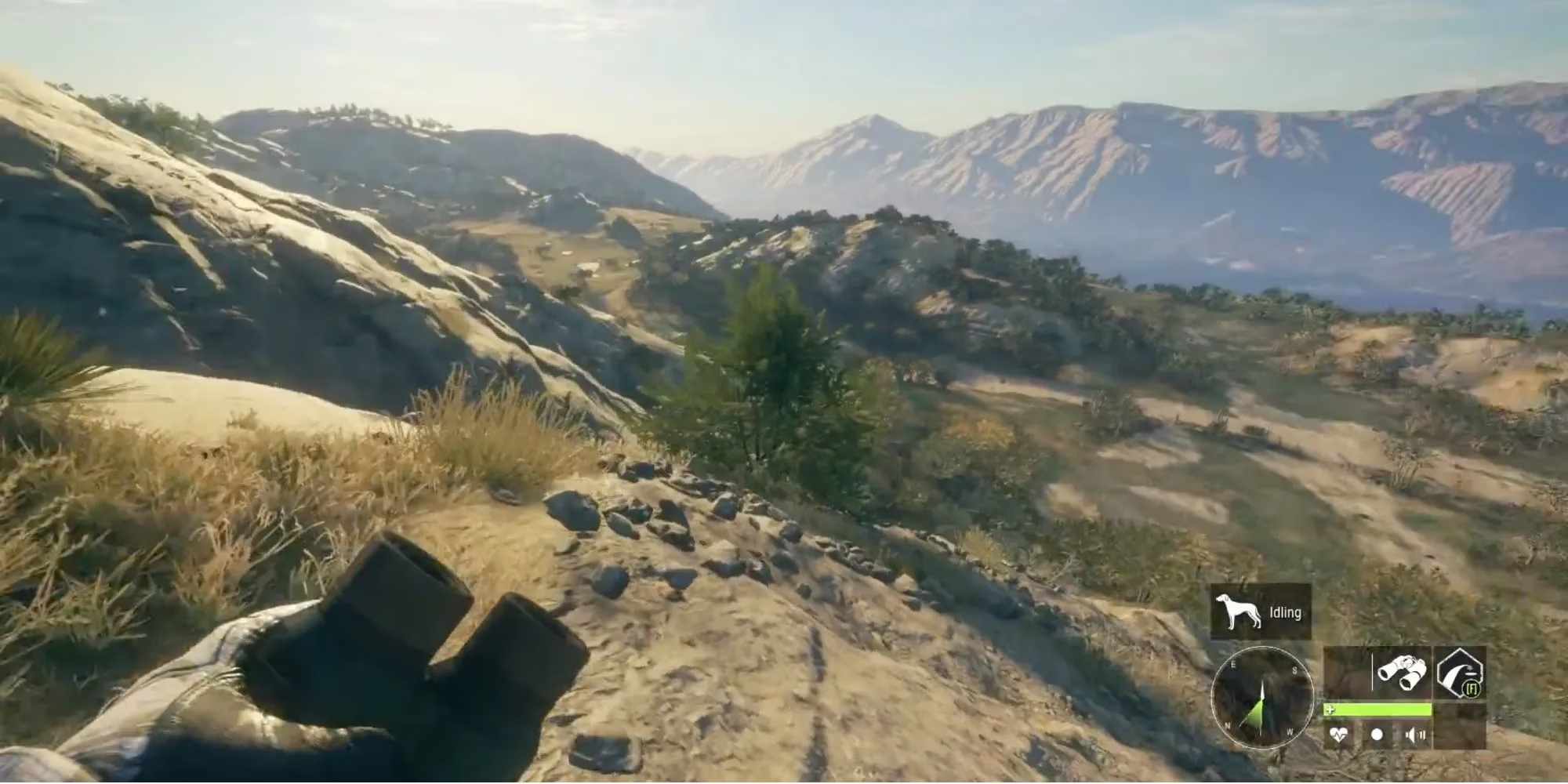
Not every game needed gunfights to teach geology. TheHunter: Call of the Wild turned entire reserves into living dioramas. Each map was a homage to a real-world biome, from the rolling hills of Hirschfelden to the mesas of Rancho del Arroyo. Alex admired how animal behavior was locked to geology—red deer skulked through beech forests in autumn, while bighorn sheep navigated rocky outcrops that were geologically accurate in their stratification. The game’s topographic maps could have passed for USGS surveys, and playing it felt like a quiet afternoon of fieldwork.
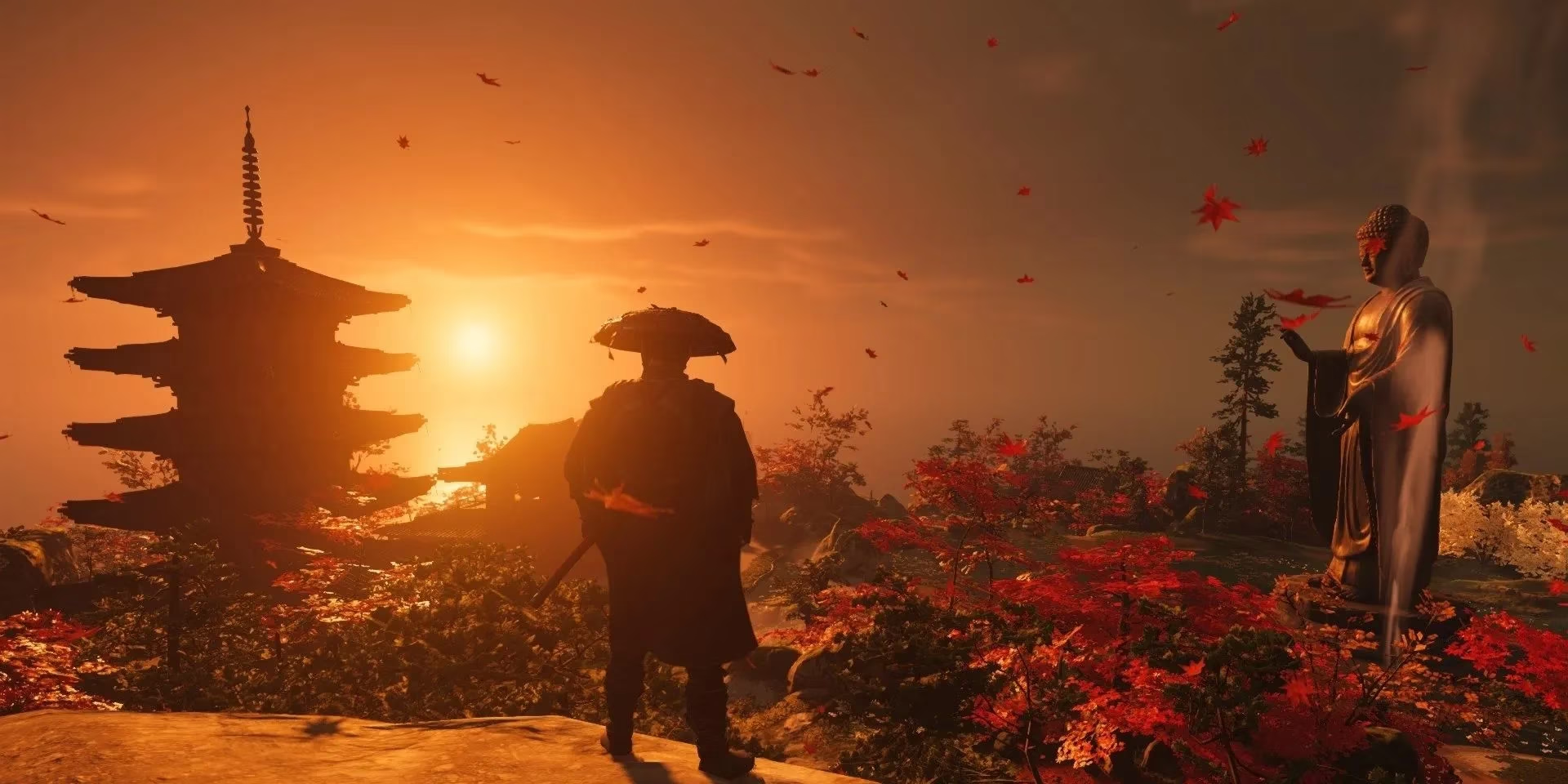
On the island of Tsushima, the samurai Jin Sakai rode through a compressed but convincing version of the real Japanese island. Alex was stunned when he first saw the golden forests of Omi Village—the way the maple leaves blanketed the forest floor mirrored the actual humus layers of a temperate deciduous woodland. The coastline was a textbook of coastal geomorphology: sea stacks, wave-cut platforms, and pocket beaches all placed where geology demanded they be. Though the game compressed the island’s scale, it never broke the illusion of a living landscape shaped by wind, water, and time.
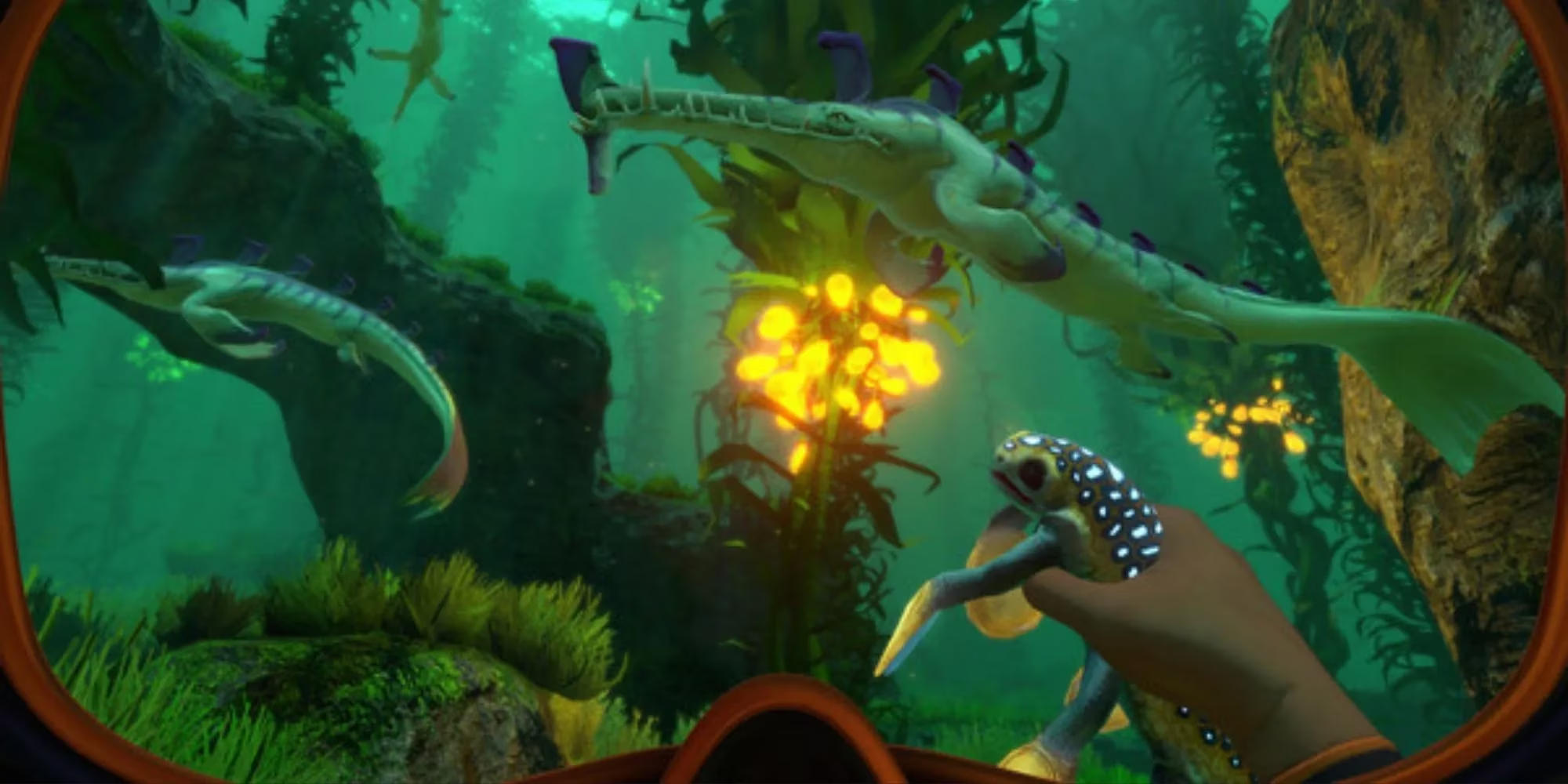
Deep below the surface of an alien ocean, Subnautica played a different game with geology. Planet 4546B was a fever dream of hydrothermal vents, brine pools, and limestone caves that all functioned with an eerie logic. Alex found himself following mineral deposits as if he were mapping the seafloor of a distant moon. The Lost River biome, with its green brine and skeletal leviathans, mimicked the chemosynthetic ecosystems of Earth’s deep trenches. Even the mushroom forests obeyed rules of substrate and current flow that made the planet feel truly habitable.
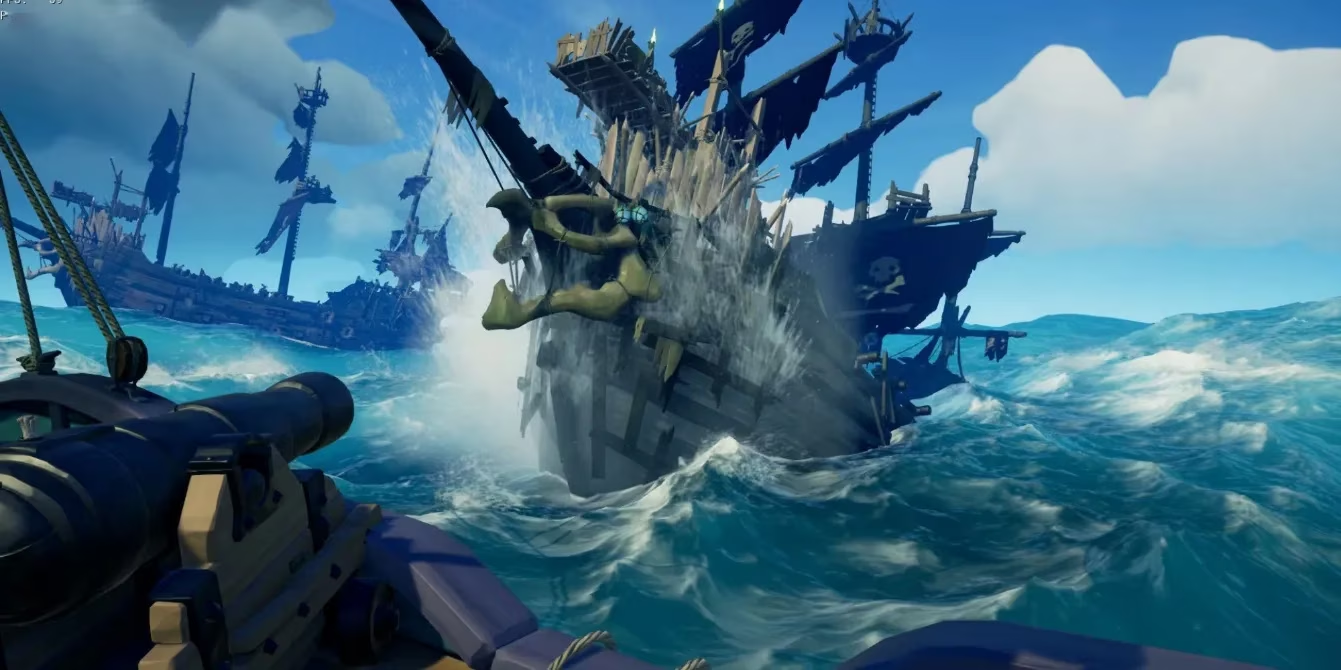
Above the waves, the ocean in Sea of Thieves won his heart with its physics. The surface wasn’t just a repeating texture—it was a dynamic system of swells and chop that responded to storms and shallows with startling accuracy. Shipwrecks rested on sandbars that shifted realistically, and islands like Thieves’ Haven were sculpted karst formations whose caves and arches hinted at millennia of dissolution. Though the game aimed for whimsy, its geological foundation was solid enough that Alex often sailed just to watch the water.
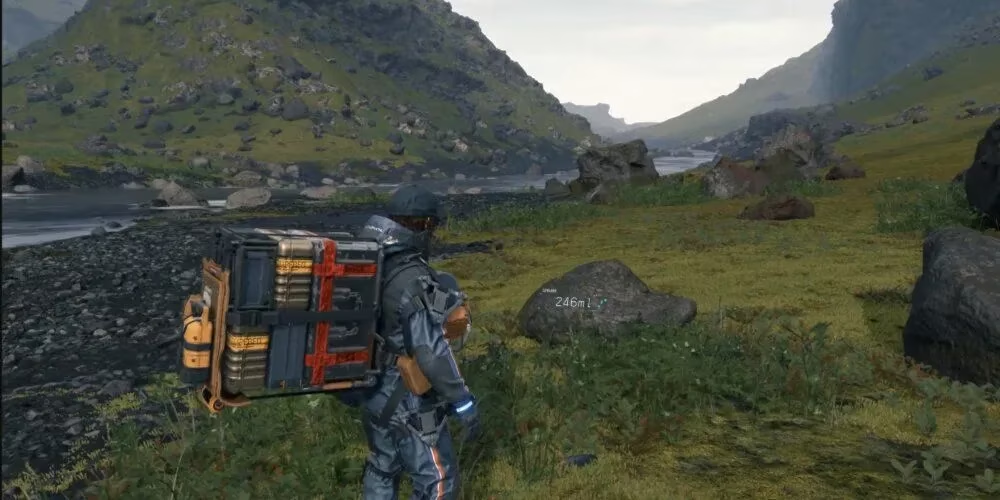
And then there was Death Stranding, the game that redefined walking. Sam Porter Bridges’ journey across a fractured United States was a geological pilgrimage. Every slope was a problem to be solved, every river a test of balance. Alex marveled at how the game forced him to read the land—the steepness of a scree slope, the firmness of mossy ground, the treacherous slipperiness of wet rock. The timefall rain added a surreal layer, but the underlying terrain was a love letter to geomorphology, complete with glacial valleys and alluvial fans. It was the first game that made him think, “This is what it’s really like to climb a mountain.”
As the clock ticked past midnight, Alex closed his notes. The gaming industry had come far, from flat textures to worlds that breathed. Each of these titles had not only entertained but educated, offering players a glimpse into the forces that shape planets. To him, the most exciting part was that technology hadn’t reached its peak. Tomorrow, he would boot up the latest geology-focused simulation and step once again into nature’s vast, beautiful machine.
Comments