Red Dead Redemption 2 remains, in 2026, one of the most celebrated open-world Westerns ever made. Its riding, hunting, camp life, and gunplay still carry a rare weight, and its writing has lost none of its bite. Yet a returning player who saddles up as Arthur Morgan for a second time may discover a different game hidden beneath the familiar one. The first ride is a tragedy in motion. The second ride is a tragedy already known, and that knowledge changes the emotional weather of every campfire, every train robbery, and every quiet conversation. 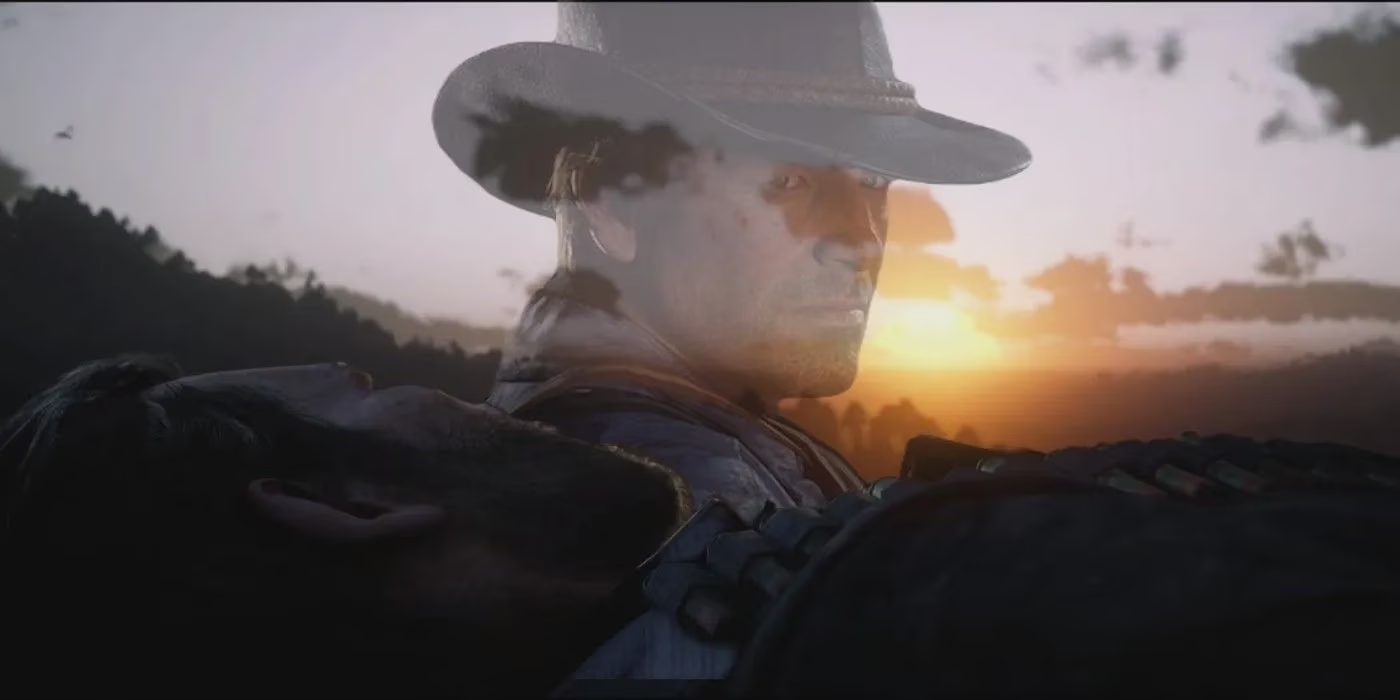
Spoiler warning: this discussion covers major story events in Red Dead Redemption 2.
A Prequel Whose Ending Is Already Written
Red Dead Redemption 2 follows Dutch van der Linde's gang at the start of its collapse. Because the game is a prequel to Red Dead Redemption, the broad destination is never truly hidden. The gang will break apart. John Marston will survive into a darker future. Dutch's ideals will curdle. What made the first playthrough so powerful was the tension between hope and inevitability; what makes the second playthrough so difficult is that inevitability has stopped being a suspicion and become a map. The player knows which roads lead to Saint Denis, which choices cannot save a friend, and which smiles are already funeral portraits.
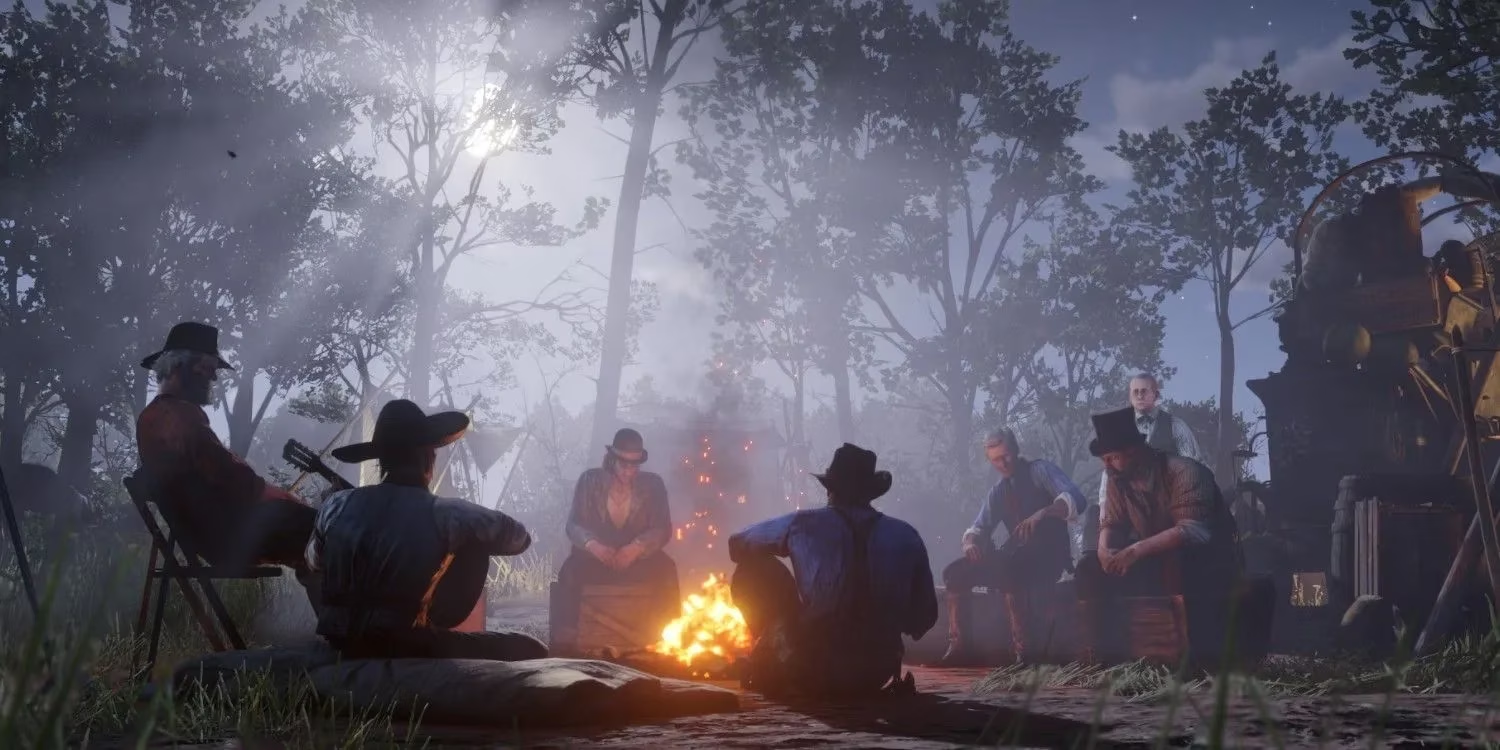
The camp is the clearest example. In early chapters, it feels like a refuge: stew bubbling, songs drifting, chores waiting. On a second visit, the same camp can feel like a bright room in a house that has already been sold. The gang's small victories do not vanish, but they lose their innocence. A successful robbery becomes another step toward the law's noose. A warm conversation becomes a memory the player is already mourning. The story's hope is a lantern carried into a mine shaft: it lights the way just far enough to reveal the dark ahead.
Small Victories, Hollow Echoes
A returning player may find that RDR2's middle chapters hit harder than its finale. The game is long, and its replay value is obvious, but knowing the outcome can make progress feel strangely punitive. Every battle won is another step toward final defeat. Every dollar added to the camp ledger is another coin placed on a debt that cannot be repaid. The narrative is a clock whose hands move only toward winter. Even the lively, dangerous members of the gang begin to look like figures in a photograph taken shortly before a storm.
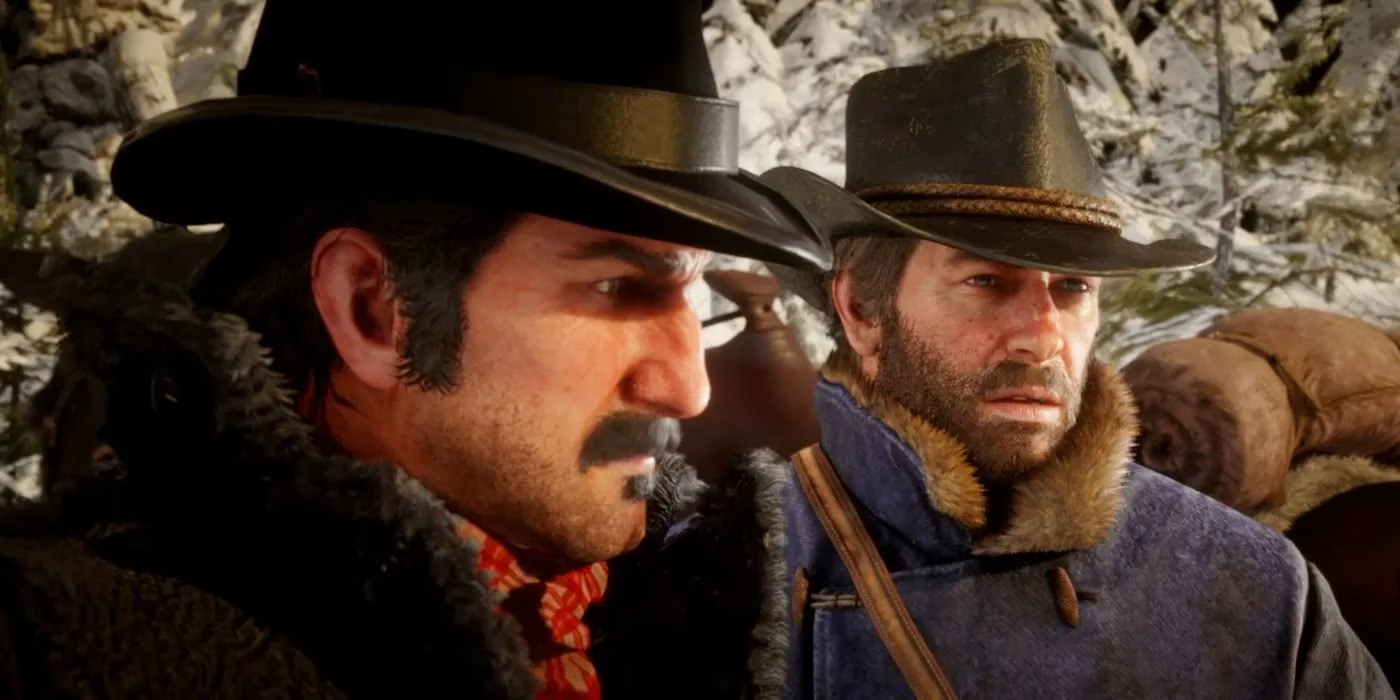
This is not a flaw in the writing. It is evidence of how well the writing works. Rockstar built a world in which camaraderie and violence share the same table, and the player's affection for the gang is the mechanism that makes the tragedy land. On a second playthrough, that affection becomes a form of foresight. The player does not merely watch the collapse; the player recognizes its early symptoms in ordinary gestures, jokes, and arguments.
The Faces the Player Learns to Mourn Early
Red Dead Redemption 2 kills many characters, but two deaths often cut deepest on a replay: Hosea and Lenny. Hosea is a soft-spoken father figure to Arthur, a voice of patience in a camp increasingly ruled by impulse. Lenny is young, bright, and warmly regarded by Arthur and Dutch. Both die during the botched Saint Denis heist, and both deaths land in quick succession. Knowing that, the player can no longer enjoy Hosea's peaceful hunting trip or Lenny's hilarious mission 'A Quiet Time' without hearing a eulogy underneath the dialogue. Memory turns a friendly outing into a farewell read in advance.
The same pattern spreads through the later chapters. As the gang is whittled down, morale drops with it. Departures and deaths do not simply remove characters; they remove possible futures. The camp becomes a stage after the main actors have begun to leave, and the player keeps hearing footsteps in empty rooms. A second playthrough makes those absences visible before they happen, which can be more painful than the first shock.
Arthur's Borrowed Time
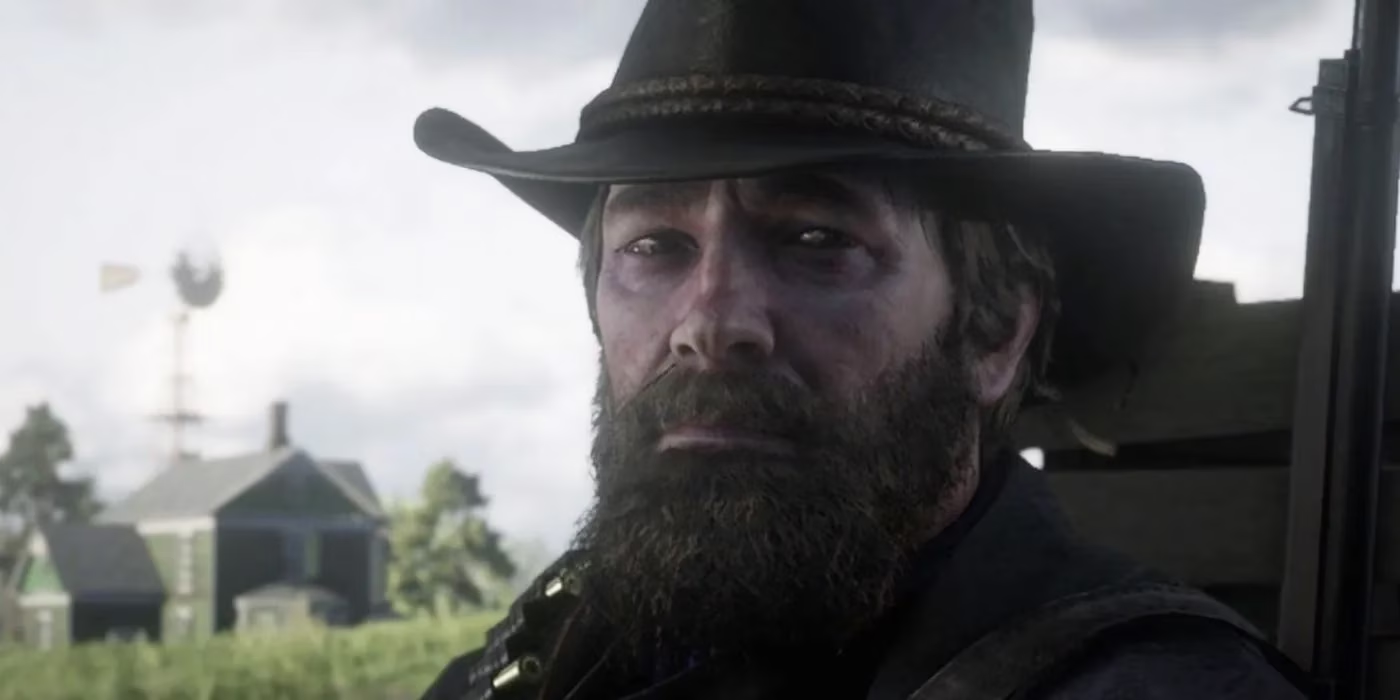
Arthur Morgan's fate is the story's central wound. He contracts tuberculosis early, and by the final act the illness is terminal. The game does not offer a cure. Arthur spends his last chapter at death's door, knowing that his time is borrowed but still fighting for the people he can still help. After the final confrontation with Micah, Arthur's story ends. No number of side missions, stranger encounters, or good deeds can change that. The player can make Arthur a better man, or a more reflective one, but not a survivor.
The epilogue offers a small silver lining. John can meet people Arthur helped, and they speak well of him. Yet the comfort is temporary. John's happy ending in RDR2 is shadowed by the future of the first game, and the presence of Edgar Ross near Beecher's Hope during the credits turns hope into a waiting room. Arthur's fate is a lantern carried into a mine shaft: it lights the way just far enough to show the dark. The second ride is not about discovering the ending; it is about living beside it.
Why the Second Ride Still Matters in 2026
More than seven years after release, RDR2 still stands as a rare example of a game that is almost too good at evoking an emotional response. Its systems remain absorbing, its world remains beautiful, and its characters remain among the medium's finest. But a second playthrough asks the player to trade discovery for grief. That trade can be worthwhile, even beautiful, but it is not easy.
| Second-playthrough moment | What changes |
|---|---|
| Early camp life | Warmth becomes elegy |
| Gang victories | Progress feels like delay |
| Hosea and Lenny | Jokes carry funeral weight |
| Arthur's final act | Heroism is measured in borrowed time |
| Epilogue | Relief arrives with a shadow |
Red Dead Redemption 2 is an excellent game and a very sad one. The tragedies of the Van der Linde gang stretch from the aftermath of Blackwater to Arthur's last breath. A returning player may still love the ride, but the second ride is less a story about outlaws than a meditation on knowing. The player knows the camp will empty, the friends will fall, and the hero will die. The game remains breathtaking. It is also, on the second time around, a masterclass in the cost of caring.
Comments