As I sit here in 2026, reflecting on the games that have truly stuck with me, Red Dead Redemption 2 still looms large. It's more than just a game; it was an experience that forced me to confront complex ideas about life, morality, and the very human desire for payback. The world was so intricately detailed, and the characters felt more real than most people I've met. But what really got under my skin, what I still debate with friends, is the game's ambivalent, almost contradictory, stance on revenge. Was it a simple moral lesson, or something far more messy and human?
You see, the game constantly whispers one thing in your ear. Remember Arthur Morgan's weary warning? "Vengeance is a fool's game." And for most of the story, the game seems to scream this truth. Look at the endless, bloody feud between the Van der Linde gang and the O'Driscolls. It all started with one killing, a brother for a brother, which then spiraled into Dutch's lover being murdered. This sparked a cycle of violence that just kept feeding itself, consuming lives left and right. It was a perfect, tragic example of how revenge rarely hits its intended target and almost always hurts the innocent bystanders caught in the crossfire. The satisfaction it promises? A mirage.
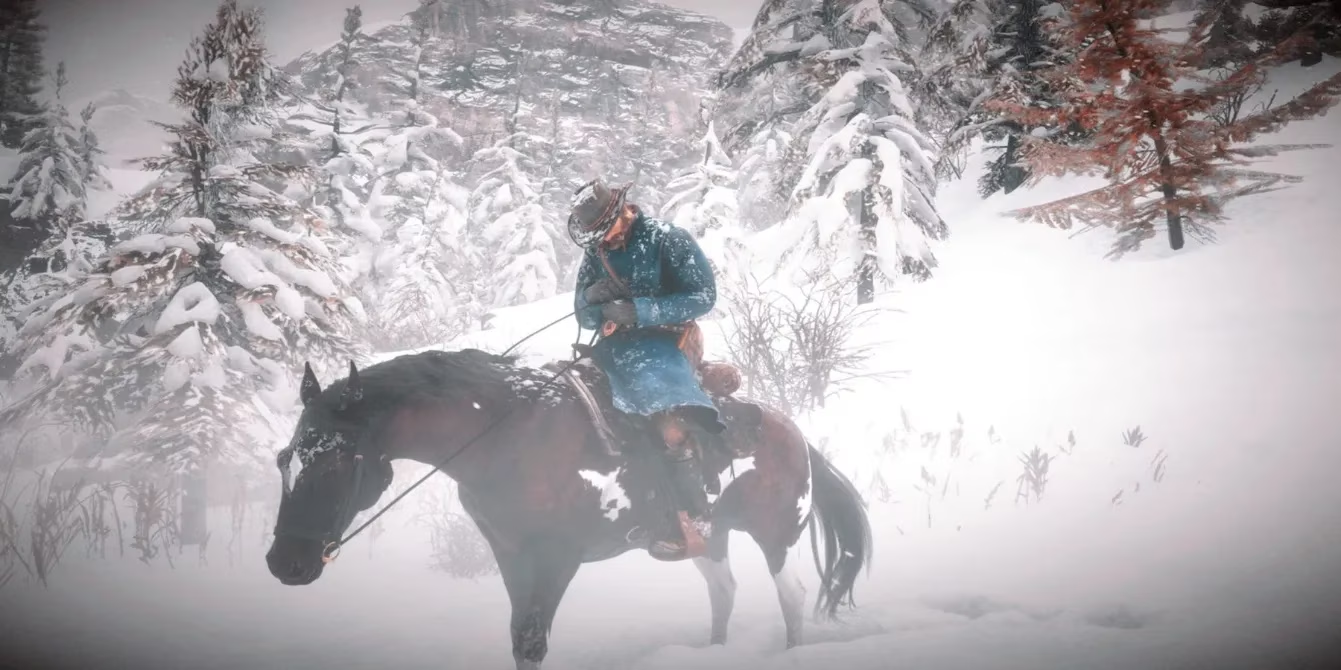
Then there's Sadie Adler. Her entire arc is a masterclass in being consumed by vengeance. After the O'Driscolls murdered her husband, she was brought into the gang a broken woman. But that grief hardened into something else—a fierce, violent persona hell-bent on proving herself and, more importantly, on hunting down those responsible. We watch as she's sucked into that same cycle, her singular focus on killing her husband's murderer becoming her defining trait. It's compelling, but the game never quite frames it as heroic, does it? It feels more like a tragic transformation, a soul being claimed by the very violence that destroyed her peace.
So, the message seems clear: revenge is a destructive, pointless trap. But then... we get to the end. And here's where Rockstar flips the script on us, and on Arthur's own wisdom. Because let's be honest, after dozens of hours, didn't we all grow to utterly despise Micah Bell? From the moment that snake joined the gang, everything started to unravel. He was a constant agitator, mocking Arthur, poisoning Dutch's mind, and playing a pivotal role in the family's downfall. And in one of the most gut-wrenching moments, he's the one who can deliver the final blow to Arthur. The game wants you to hate him.
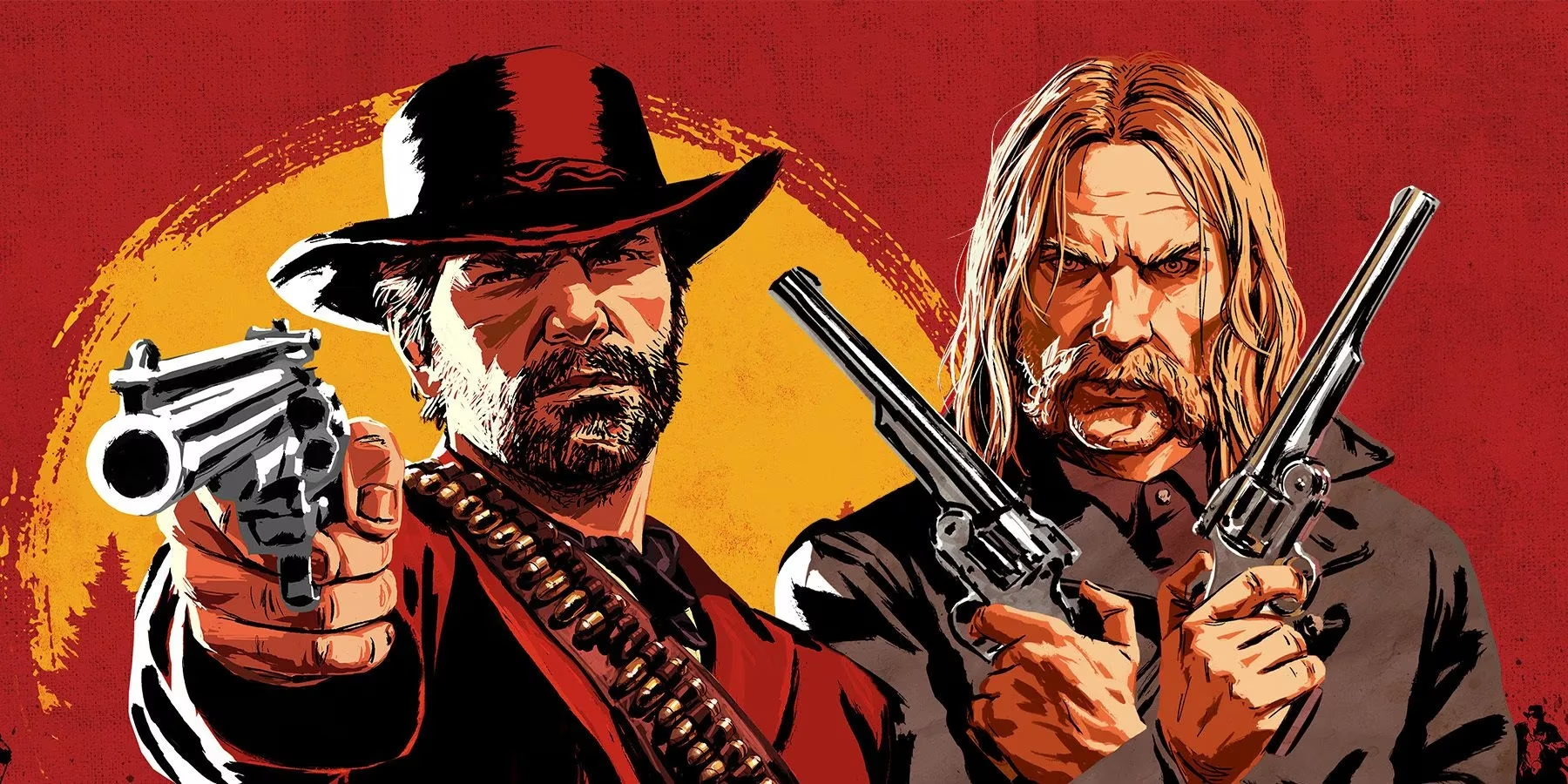
Then, as John Marston, you finally get that showdown. And in that moment, the game seems to throw its own earlier lesson out the window. It revels in the catharsis of revenge. Aiming down the sights at Micah, unloading bullet after bullet—it feels incredibly satisfying. After all he's done, doesn't he deserve it? This is where the game leaves it up to you, the player. Is this a glaring narrative flaw, a contradiction that undermines its own themes? Or is it a brave admission that no moral rule is absolute, and that some villains are so heinous they exist outside the usual calculus?
For me, playing it years later, I think that's the point. The game isn't giving us a tidy, Aesop's fable moral. It's holding up a mirror to our own complicated feelings about justice and retribution.
-
On one hand: Revenge justifies endless cruelty. Look at Dutch! His quest for vengeance against his foes and the changing world twisted him into a monster. The shooter rarely finds peace, and the dead—like Arthur, striving for his own redemption—can never come back.
-
On the other hand: Can we truly say that letting a figure like Micah walk away, unpunished, is the "right" choice? Doesn't that feel like a betrayal of justice itself?
The game presents both sides without fully endorsing either. It shows the cycle as a tragedy, but it also understands the raw, human hunger to see a true villain get his comeuppance. Maybe the real theme isn't "revenge is always wrong," but that revenge is a dangerously powerful, morally ambiguous force that changes everyone it touches—including, perhaps, the player holding the controller. In the end, Red Dead Redemption 2 trusted us to sit with that discomfort, to wrestle with the contradiction. And that's why, even now, its world and its questions feel so alive.
Comments