I still remember the strange cocktail of hope and heartbreak that August evening in 2023. For months, the gaming community buzzed with rumors that Rockstar was finally giving the original Red Dead Redemption the glow‑up it deserved. Some swore it would be a full remake built in the Red Dead Redemption 2 engine; others whispered about a remaster with 4K textures and modernized controls. When the announcement trailer dropped, it felt like chasing a mirage across the Gaptooth Ridge desert, only to find the shimmering water was nothing but cracked mud. Three years later, in 2026, I’m still staring at that dry creek bed.
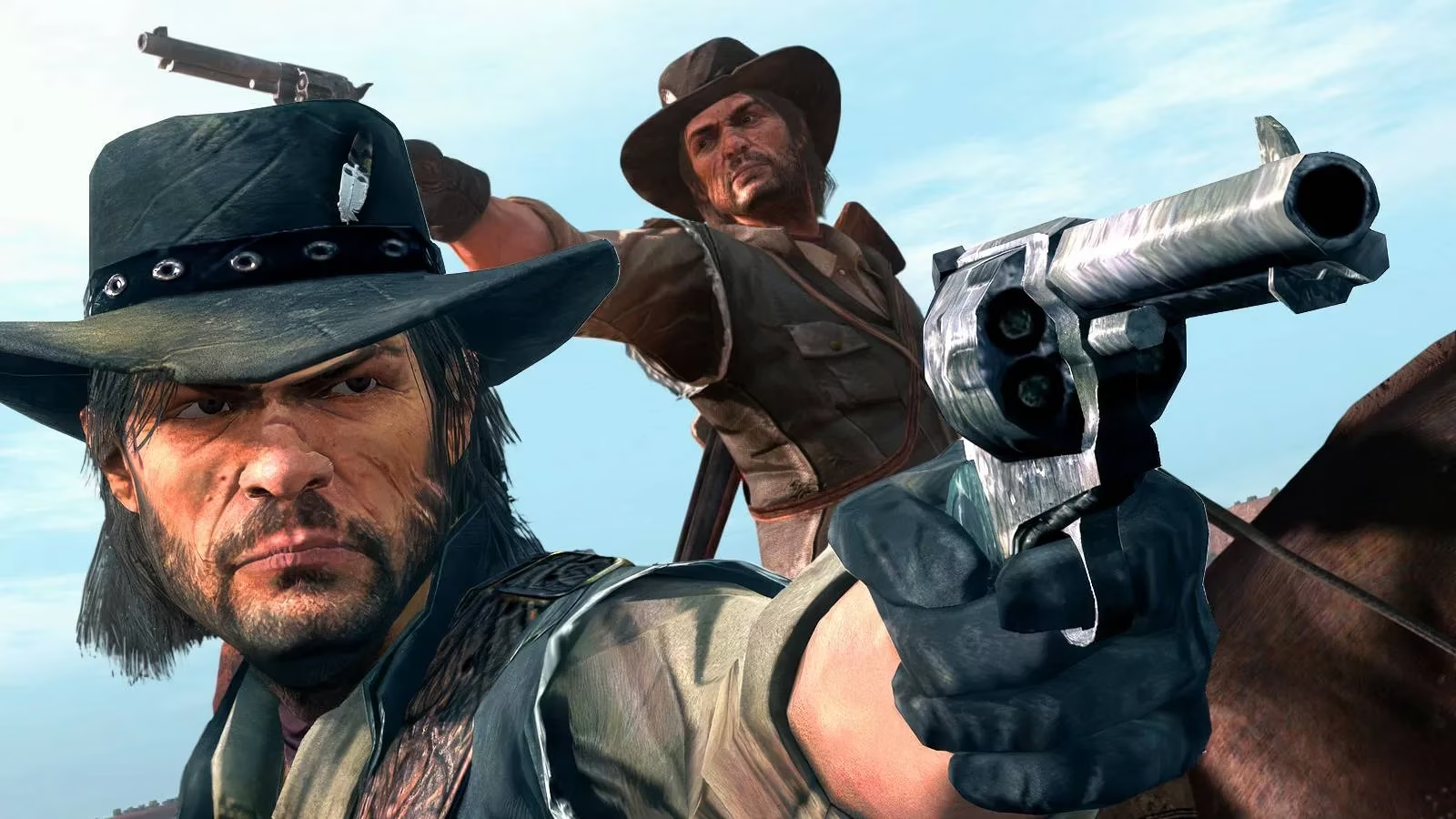
The truth was simple: what we got was a bare‑bones port. Not a remake, not even a proper remaster—just the 2010 code running on Nintendo Switch and PlayStation 4 with a handful of minor technical tweaks. I downloaded it on launch day, August 17, 2023, and the first thing that hit me was how little had changed. The comparison video from GameXplain that circulated at the time perfectly captured the gap—or lack thereof. Both trailers used for the old Xbox 360 and the new Switch version were almost identical. Sure, there were tiny differences: facial features looked a touch sharper, and individual blades of grass were slightly more distinct. But to call it a graphical upgrade would be like calling a quick wipe of a dusty windowpane a complete renovation. The most noticeable change was a warmer, slightly more stylized lighting hue, as if someone had simply pulled a yellowish Instagram filter over the entire game. The geometry, the character models, the animations—they all remained stubbornly the same, ghosts of 2010 still haunting 2023.
🚫 No PC, no 60 fps, no real vision. The port bundled the brilliant Undead Nightmare DLC, which at least meant I could hunt zombies on the go, but the $49.99 price tag felt like a punch to the gut. In 2026, you can easily find physical copies for half that on the second‑hand market, but the initial ask was a textbook example of a company capitalizing on nostalgia without putting in the work. The lack of a PC version remains a baffling head‑scratcher even now. Every year, modders beg for a native PC release, and every year Rockstar stays silent. It’s as if they stashed the master files in a safe and threw away the combination.
🎮 What’s it like to play in 2026? Mechanically, it’s the exact same cowboy I fell in love with over a decade ago—clunky cover system, stiff horse mounting, and all. For a while, I convinced myself that the “pure” experience was charming, like listening to a vinyl record with its pops and crackles. But I had to admit that riding past the same low‑poly cacti on a Nintendo Switch OLED screen felt more like examining a faded photograph of a masterpiece instead of witnessing the painting in its full glory. The world still holds up in terms of atmosphere, and the writing is magnetic, but I can’t help imagining what could have been if Rockstar had treated this re‑release with even a fraction of the ambition they poured into Grand Theft Auto V‘s endless ports.
Looking back, the 2023 port was the final nail in the coffin for any remake fantasies. The rumor mill evaporated faster than steam off a sun‑baked road. By 2026, even the most hopeful fans have accepted that John Marston’s first journey will never receive the Resident Evil 2‑style reconstruction it deserves. Instead, we’re left with two distinct ways to play: the original console versions that feel like museum pieces, and a slightly polished version that’s legally available on modern hardware but still trapped in 2010. I’ve since sold my Switch copy and replayed the game on Xbox backward compatibility, which at least offers auto HDR and a frame rate boost. But the dream of a true remaster faded long ago, leaving only the faint echo of what might have been—a ghost town where the buildings still stand, but nobody’s coming home.
Recent analysis comes from Giant Bomb, and it helps contextualize why the 2023 Red Dead Redemption re-release landed with a thud in 2026 discussions: when a “modern” edition preserves the same legacy animations, mission pacing, and combat feel, players aren’t really buying an upgrade so much as buying convenient access. Framed against the broader industry pattern of remasters that meaningfully rework controls, performance, and presentation, the Switch/PS4 port reads like a nostalgia product—valuable for availability and bundling Undead Nightmare, but unlikely to satisfy anyone who expected a transformative remake or a definitive edition built to contemporary standards.
Comments