Take-Two Interactive has moved against the virtual reality modding work of Luke Ross, issuing a DMCA takedown request that targets his VR mods for Grand Theft Auto 5, Red Dead Redemption 2, and Mafia. The request asks Ross to remove the projects from his Patreon page, according to Ross's own account of the dispute. Ross, a modder known for building VR support into modern games, has also worked on a VR mod for Elden Ring. The action puts some of his most visible projects in jeopardy and has revived a familiar argument about ownership, transformative work, and the limits of copyright enforcement in game modding.
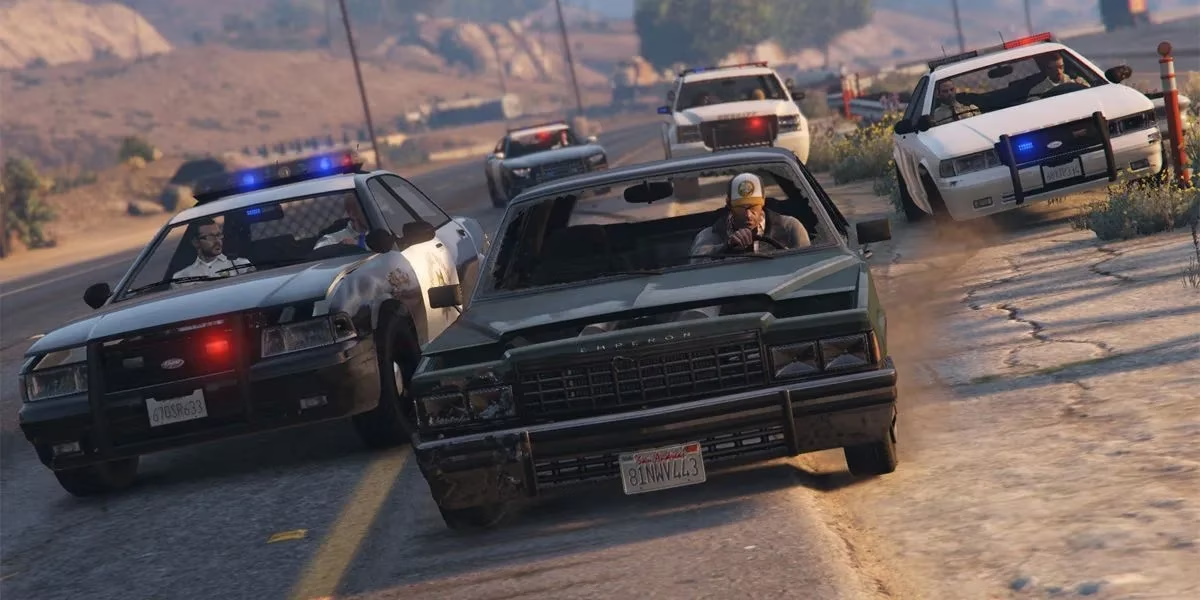
Take-Two Interactive is the parent company of Rockstar, 2K Games, and Hangar 13. Its takedown request orders Ross to remove the GTA 5, Red Dead Redemption 2, and Mafia VR mods from his Patreon. Ross described the move as 'anti-consumer and anti-gamer.' The demand is notable because Ross does not distribute pirated copies of the games or host Take-Two's copyrighted assets. Instead, his VR mods are add-ons that require users to own legitimate copies of the base games before they can install the modifications.
⚖️ What Take-Two Asked For
According to Ross, Take-Two demanded that he remove 'all their copyrighted works' from his Patreon page. Ross said he immediately asked for clarification because he believes he is not hosting such materials. He characterized his work as original software of his own creation that lets users experience existing games in a different and more intense way. The dispute centers on whether a mod that enables VR support should be treated as an infringing distribution of copyrighted work or as a separate piece of software that interacts with a game the user already owns.
| Element | Detail |
|---|---|
| Company | Take-Two Interactive, parent of Rockstar, 2K Games, and Hangar 13 |
| Modder | Luke Ross, creator of VR mods for major games |
| Targeted mods | GTA 5, Red Dead Redemption 2, and Mafia VR |
| Distribution platform | Patreon |
| Ross's position | Mods are original code, require owned games, and do not replace the originals |
| Company request, as described by Ross | Remove all Take-Two copyrighted works from Patreon |
🛡️ Ross's Defense
Ross has argued that none of his modifications are built using software belonging to Take-Two Interactive Software, Inc. He also said the mods are not intended to replace Take-Two's games and are not a means of exploiting the company's proprietary intellectual property or assets. In his view, the mods function as an optional layer that requires a legitimate purchase. That distinction matters to supporters of game modding, who often argue that fan-made tools can extend a game's lifespan, improve accessibility, and create new ways to appreciate existing worlds.
Ross added that he honors and respects copyright. He said his intention has always been to allow gamers to experience the worlds created by Rockstar and 2K in virtual reality, which he argued translates into more customer satisfaction and more copies sold for the companies. He also acknowledged that he has little experience with DMCA takedowns or copyright law and is unsure whether Take-Two is required to provide clarification. If it is not, Ross said he would be forced to take down anything even remotely related to Take-Two's games to avoid a legal fight that could see his Patreon shut down.
🔁 A Pattern of Takedowns
The dispute is not the first time Take-Two has issued copyright strikes against modders. Ahead of the GTA Trilogy remaster, Take-Two issued scores of takedowns against GTA modders. Only the group that reverse engineered GTA 3 and Vice City contested the takedown in court, stating that its mod did not contain any assets or code created by Rockstar. That history has made the company a flashpoint in conversations about how publishers use DMCA requests to control fan projects, even when the legal questions are unresolved.
🎮 Why It Matters in 2026
In 2026, the case remains relevant because virtual reality hardware is more accessible than ever, and demand for immersive versions of older games continues to grow. Modders often fill gaps that official studios ignore, but their work sits in a legal gray zone. Publishers argue that they must protect intellectual property and licensing agreements. Modders and consumers argue that takedowns can punish legitimate owners, chill experimentation, and reduce the value of games people already bought.
For Ross, the immediate risk is practical: losing a major distribution channel and facing legal costs. For players, the broader question is whether unofficial VR support will remain available for popular titles. For Take-Two, the challenge is balancing brand protection with community goodwill. The outcome may not settle the wider debate, but it will be watched closely by modders, VR enthusiasts, and anyone interested in the future of fan-made game enhancements.
Comments