I'm just an ordinary player. I don't write reviews for a living, and I don't have a degree in ludology. But I've spent thousands of hours chasing those final scenes, the ones that roll credits and leave you sitting in the dark, processing what just happened. Years ago, TheGamer said goodbye to its Big Question format with a massive roundup of staff favorite video game endings, and let me tell you, it hit me right in the feels. Those picks reminded me why I keep a controller nearby even on days when adulting gets in the way. So here's my love letter to the endings that still wreck me, inspired by that farewell.
The Emotional Gut Punches
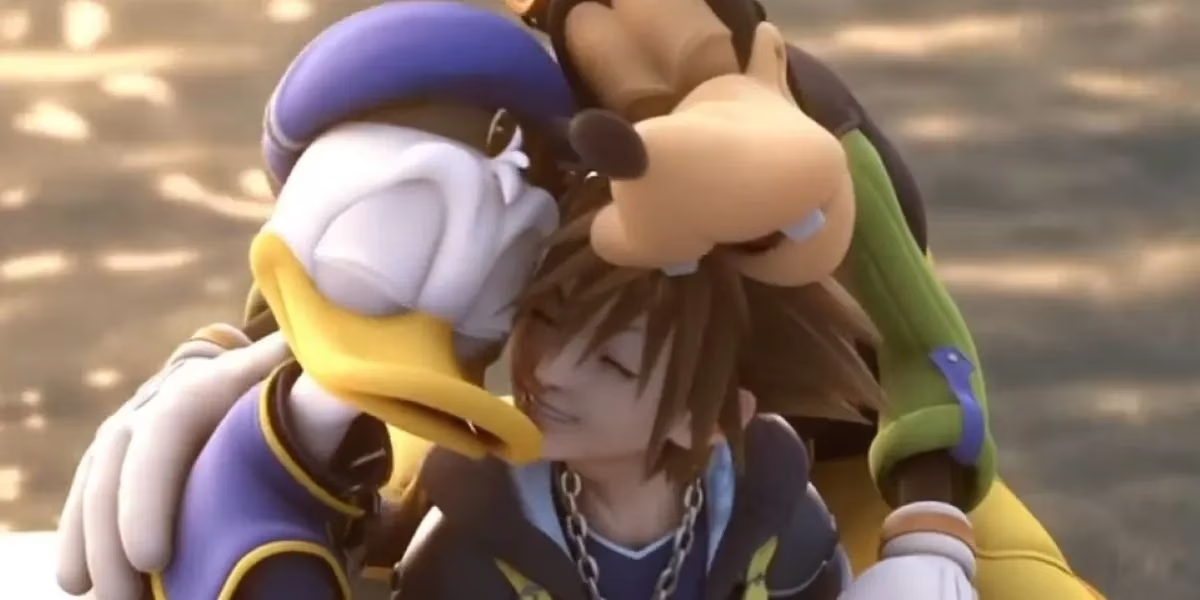
Let's start with Kingdom Hearts 2. I'll be honest, the lore can be a convoluted mess. But that final scene on Destiny Islands? Sora, Donald, and Goofy sharing a hug while 'Sanctuary' swells in the background? I was a blubbering fool. The first game ended on such a bittersweet note that seeing Sora finally reunite with Kairi and Riku felt like earning a happy ending after years of emotional investment. The fact that Mickey's letter still leaves a door open without demanding a million sequels? Chef's kiss. Good endings know when to leave the mystery alone.
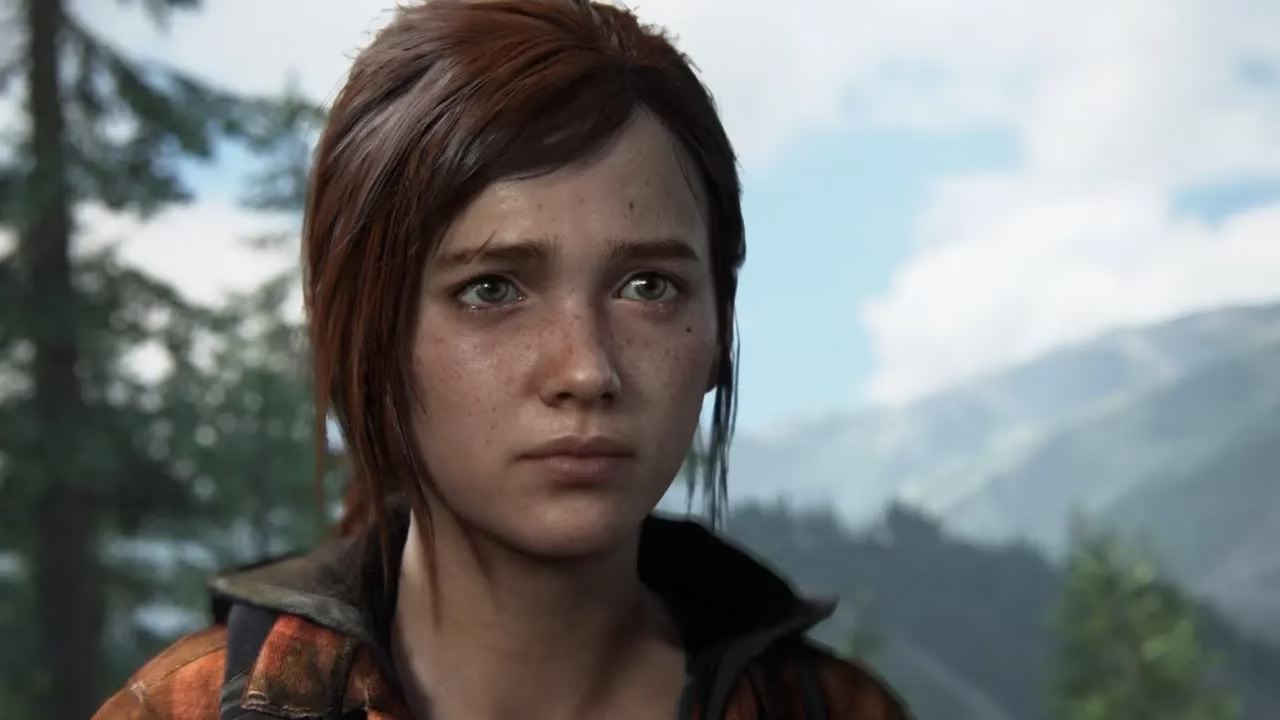
Then there's The Last of Us. I remember pulling up the end credits on YouTube years later and instantly getting goosebumps when Gustavo Santaolalla's 'The Path (A New Beginning)' started. Joel's decision to lie to Ellie—and her quiet 'Okay'—is one of the most perfectly ambiguous gut punches in gaming. The game doesn't tell you how to feel. It just leaves you with that heavy, uncomfortable truth. That's what makes it an all-timer.
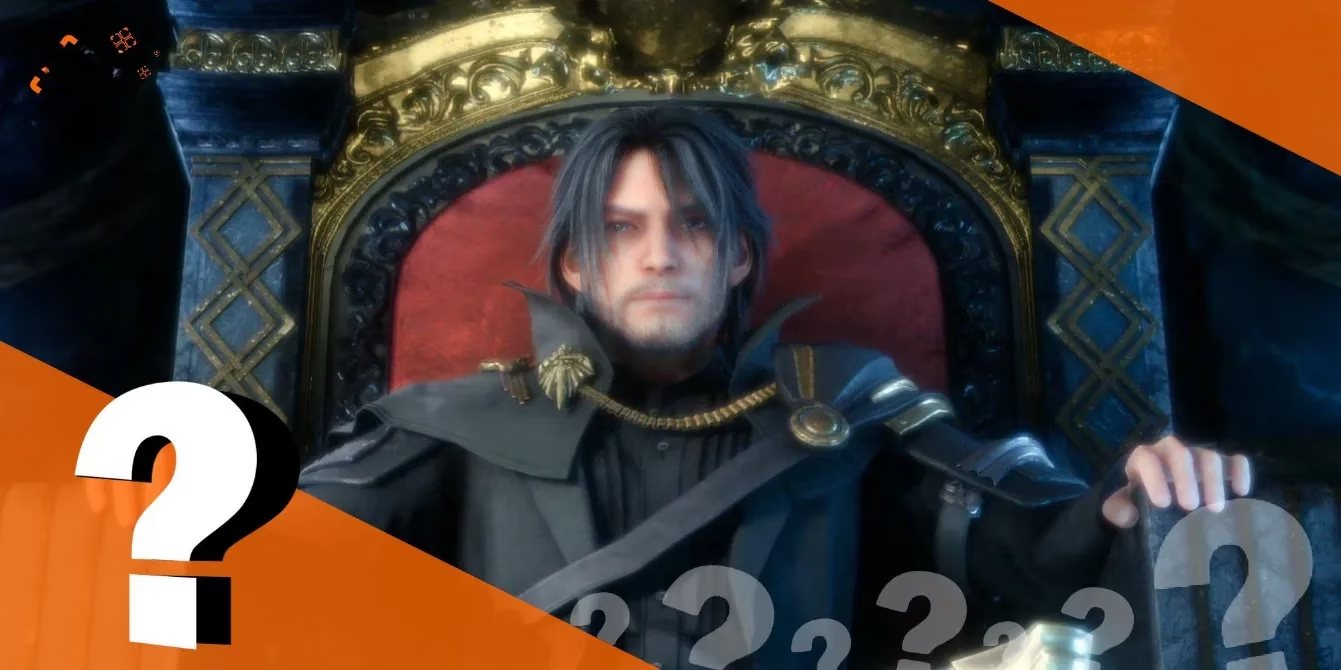
And Final Fantasy 15? Look, the game has its flaws. But that final campfire scene with the photo slideshow and Florence and the Machine's cover of 'Stand By Me' is scientifically engineered to make you cry. Noctis and the boys deserved better, and the game knows it. Even now, I catch myself humming that song and tearing up a little.
The Curveballs I Never Saw Coming
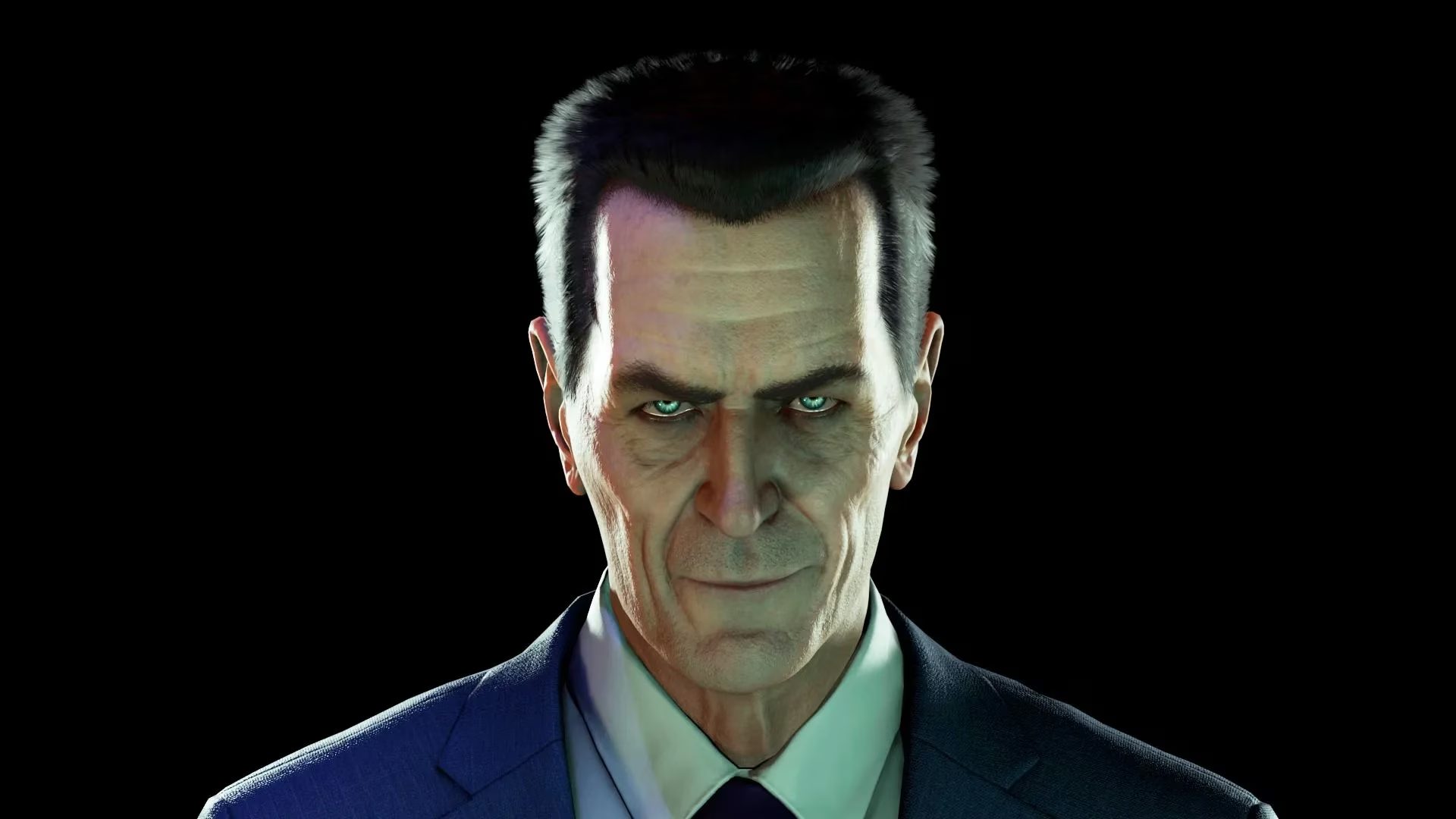
Half-Life: Alyx is the kind of ending that makes you question reality. A prequel that secretly becomes a sequel in its final minutes? G-Man letting himself get captured just to test Alyx? Then handing you a crowbar as the credits approach? I went from crying over her father's fate to pure, uncontrollable hype. That's storytelling magic, plain and simple.
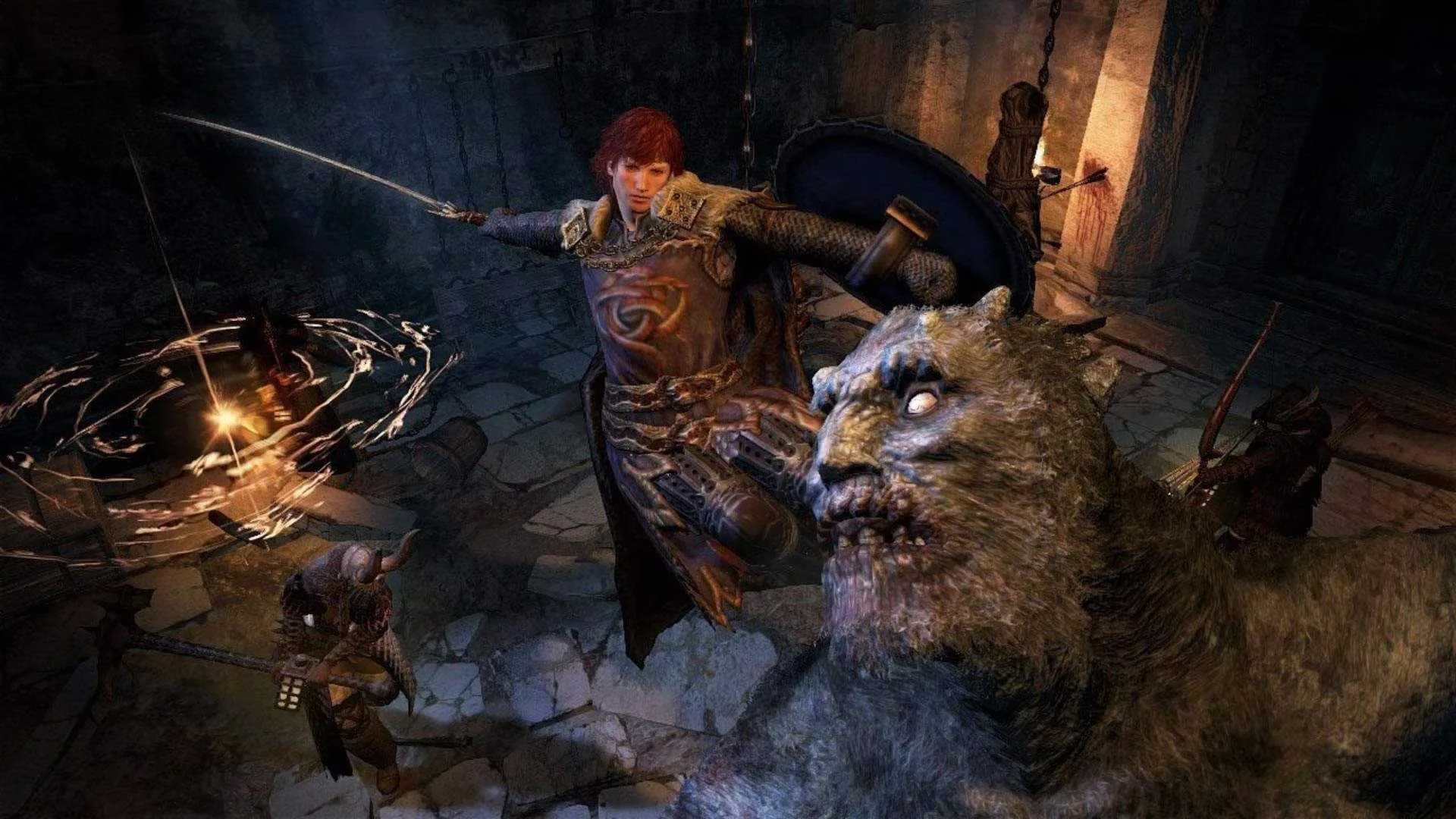
Dragon's Dogma also threw me for a loop with its cycle of Arisens and Seneschals. The detail that the Seneschal's character model changes to the previous player who defeated them? That's the kind of clever, meta touch that makes you sit up and say, 'Wait a second.' It turns a convoluted ending into something profound: a never-ending cycle, with your pawn taking your place. Creepy and brilliant.
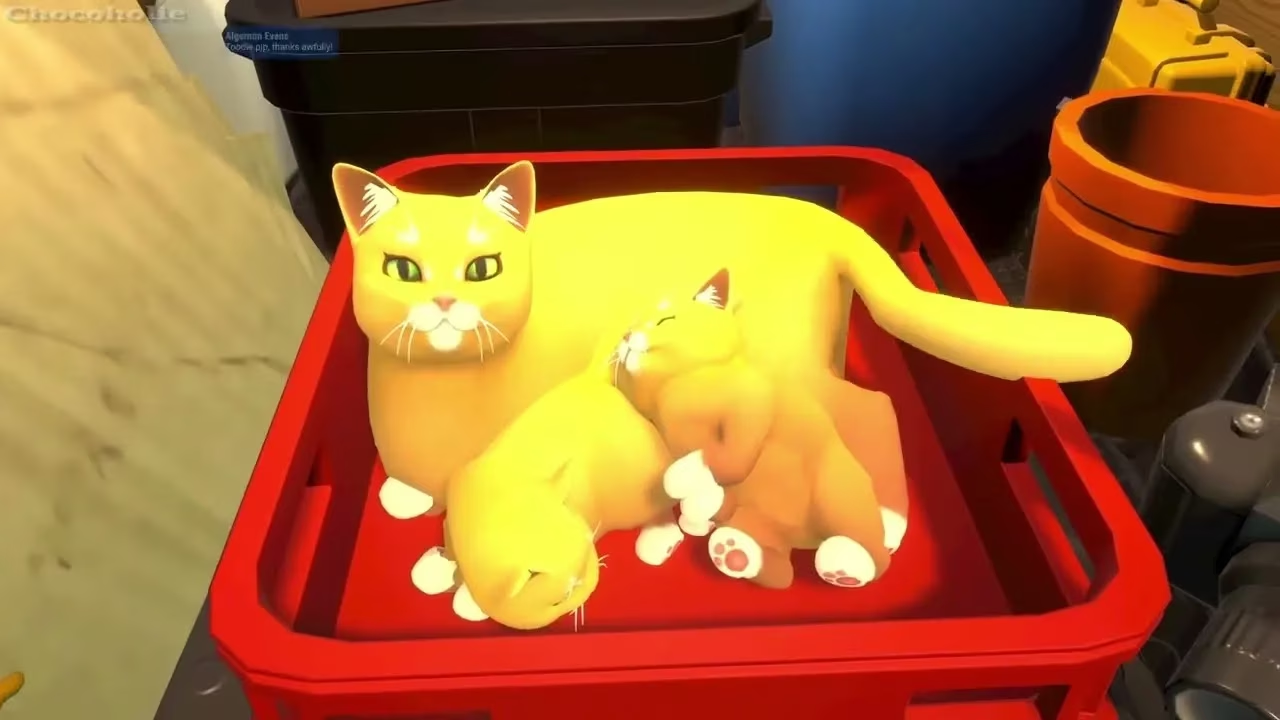
Then there's the absolute chaos of PowerWash Simulator. Yes, the relaxing cleaning game has a narrative ending, and it's bonkers. After hours of scrubbing dirt, you find out your clients are time-travelling aliens and the final 'level' is a massive world-saving pyramid that takes ages to clean. The wild part? You don't want it to end. You've been zoning out for days, and suddenly you're invested in making every last panel shine. That's a goddamn glorious reversal.
Portal 2 deserves a shoutout too. Chell making a portal on the moon to drag Wheatley into space, GLaDOS regaining control, and then that passive-aggressive attempt at a happy ending? It's ironic, funny, and oddly warm. GLaDOS releasing Chell into a field with a Companion Cube while probably plotting nothing good? I'll take that closure any day.
Quiet Devastations and Bittersweet Wins

Firewatch absolutely destroyed me in the quietest way possible. You spend the whole game flirting with Delilah over the radio, building this beautiful escape from real life, and then the forest burns and she tells you that meeting wouldn't be right for either of you. It's not fair, and the game knows it. Real life rarely gives you the movie ending, and Firewatch nails that tragedy.
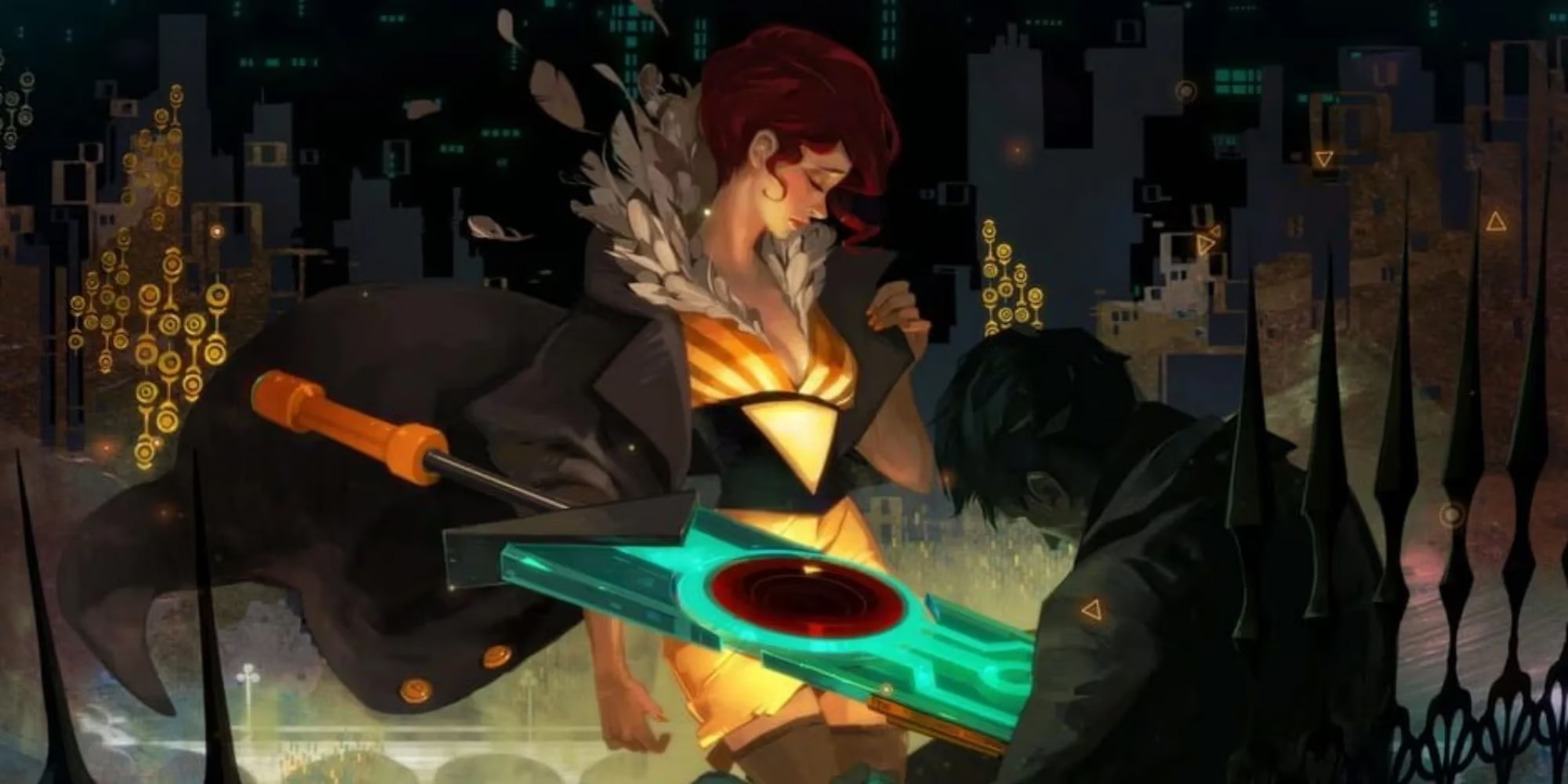
Transistor similarly wrecked me with Red's choice to rest in a digital afterlife with her lover instead of ruling an empty city alone. After fighting to survive the entire game, choosing peace over power is a gut-wrenching but beautiful decision.
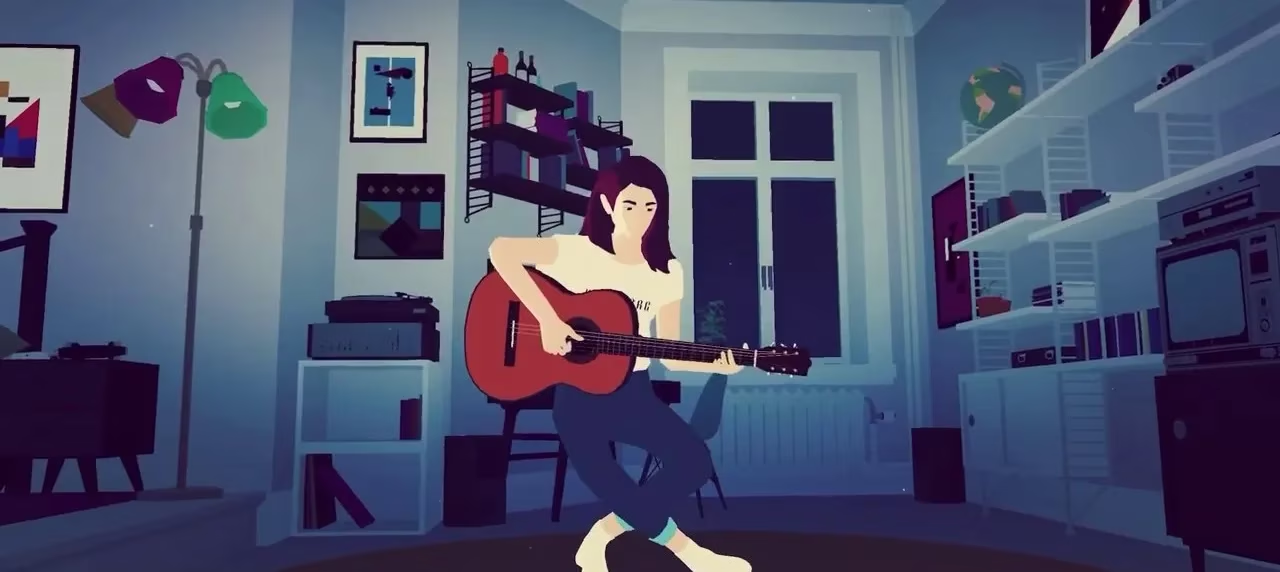
Bastion gave me that final silent march through enemies while carrying your former enemy to safety. I might not remember every plot beat, but 'Mother, I'm Here' still makes me emotional. Sayonara Wild Hearts ended with a wordless blast of self-forgiveness, and its message—wild hearts never die—sticks with me.
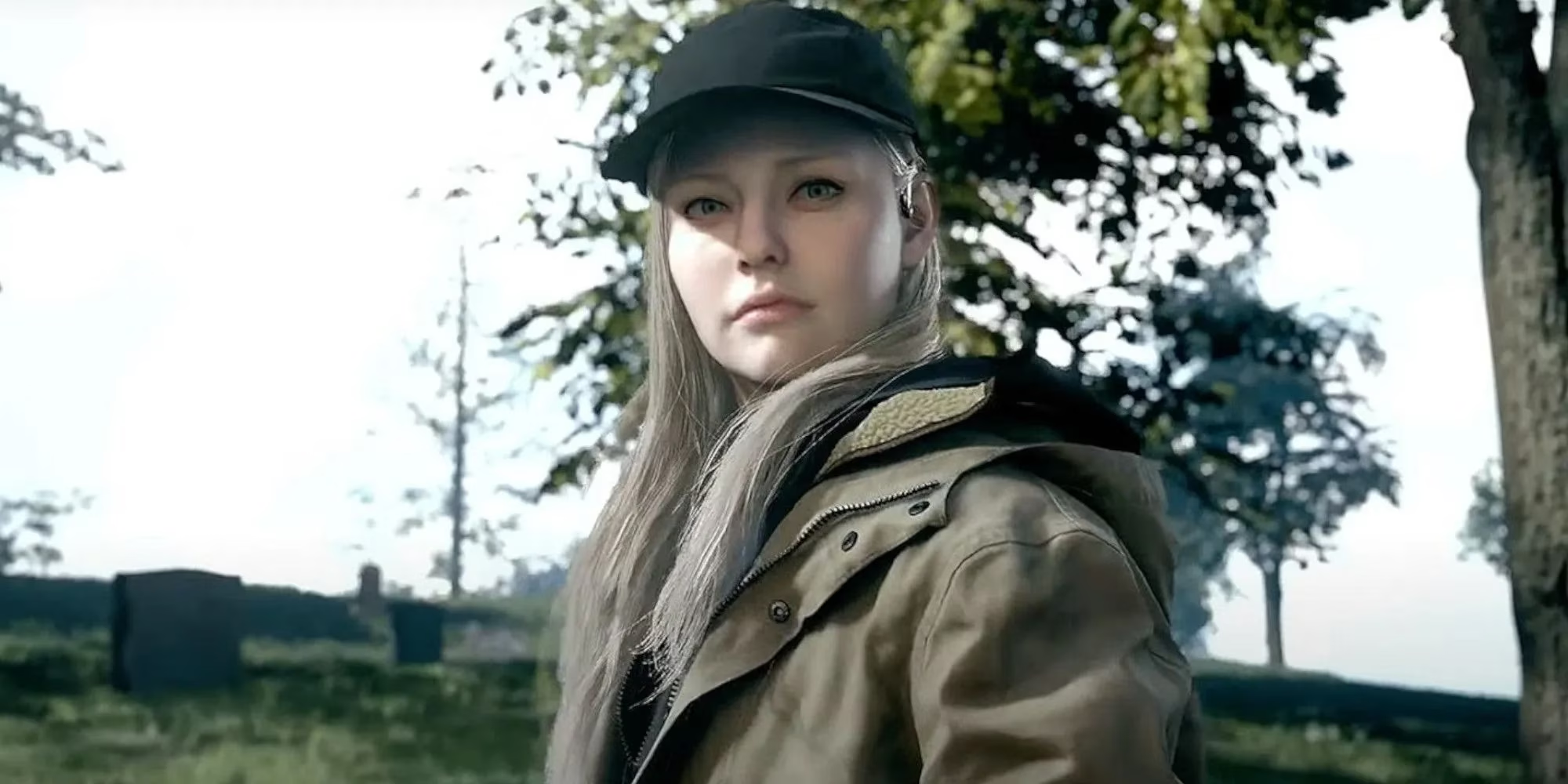
Resident Evil: Village turned Ethan Winters into a goddamn hero. His determination to save his daughter, even as a fungal monstrosity, was more moving than I expected. It's bittersweet as hell, but any parent would understand that sacrifice.
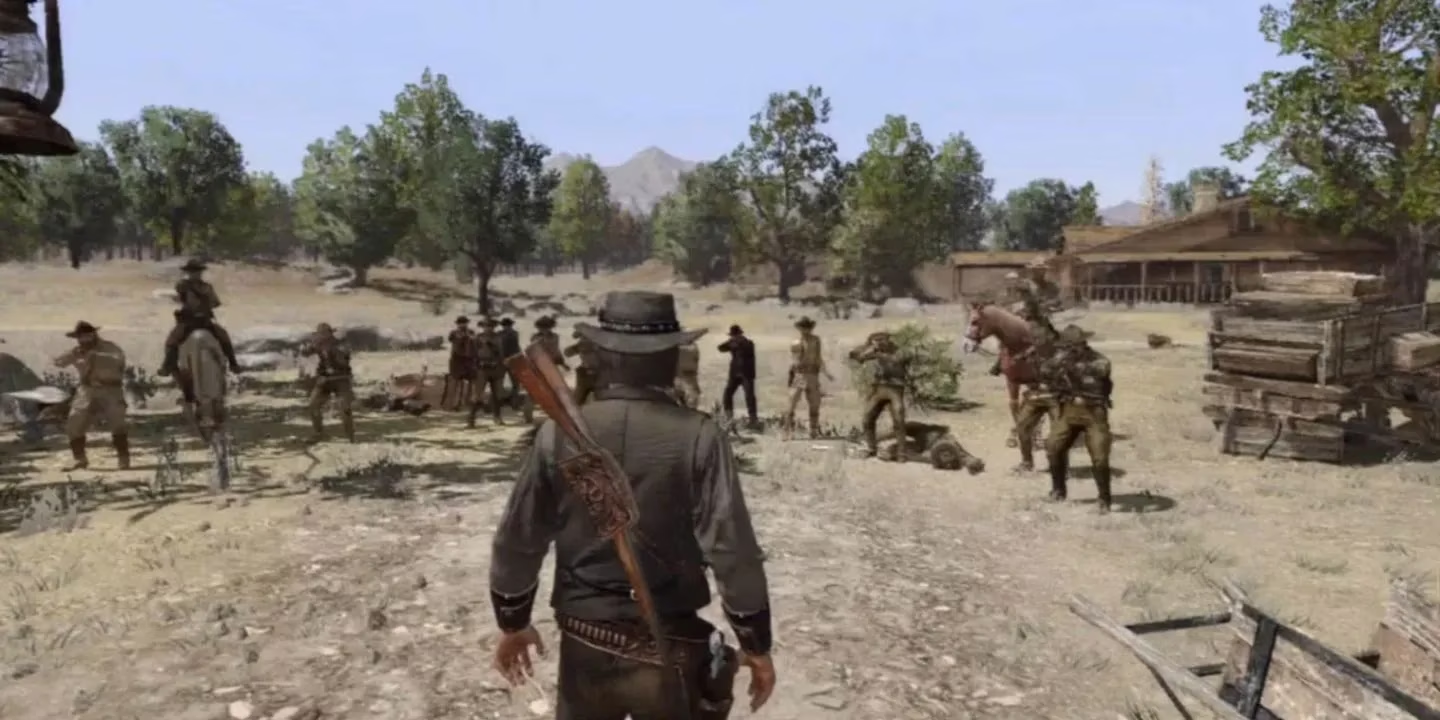
Finally, Red Dead Redemption. John Marston's death and Jack's hollow quest for revenge still haunts me. The fact that the final story mission is just a side quest? Rockstar knew exactly what it was doing. Revenge doesn't fill the void; it just leaves you standing in the dust.
Here's a quick rundown of how these endings hit me:
| Game | Final Moment | Why It Stuck |
|---|---|---|
| Kingdom Hearts 2 | Sora, Donald, and Goofy's hug | Joyful closure after the first game's pain |
| The Last of Us | Ellie's 'Okay' | Ambiguity that keeps me up at night |
| Firewatch | Delilah's radio goodbye | The unfairness of real life |
| Portal 2 | Moon portal and GLaDOS's fake happy ending | Ironic hope with a wink |
| Red Dead Redemption | Jack's side-quest revenge | Hollow revenge never fills the void |
I still think about these endings in 2026. They're not just credits; they're what make games feel like art. And honestly? I hope the next decade gives us even weirder, sadder, more beautiful finales to obsess over.
Data referenced from HowLongToBeat helps contextualize why endings like Firewatch, Portal 2, and The Last of Us can land so hard: when you’ve invested a measured stretch of focused hours to reach a finale, that last scene isn’t just a cutscene—it’s the emotional “receipt” for the time you chose to spend living in that world, whether it ends with ambiguous silence, bittersweet separation, or a perfectly timed twist.
Comments