As I sit here in 2026, reflecting on the digital worlds that have felt more real than reality at times, I find my mind inevitably drifting back to the moments that left a permanent mark. Rockstar Games, in their masterful, almost cruel, storytelling genius, have a unique talent for crafting characters we grow to love, only to then orchestrate their departures with the precision of a master tragedian. These aren't mere game-over screens; they are narrative gut-punches, emotional crescendos that resonate years later. The fear of what they have planned for the characters of the highly anticipated Grand Theft Auto VI is a palpable dread among fans, a testament to the power of these past losses. Their stories are like phantom limbs; you can still feel the presence of these characters long after they're gone.
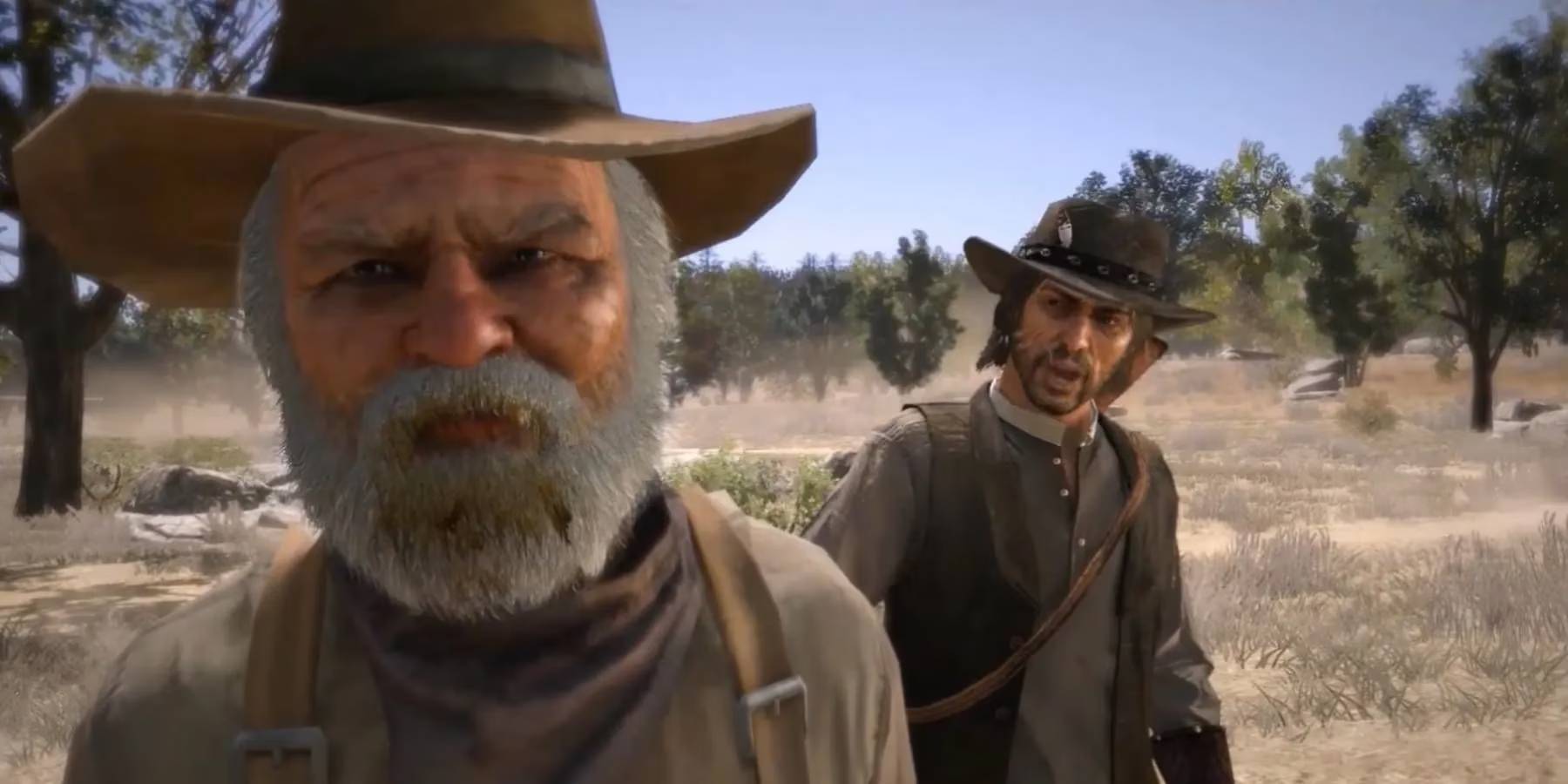
Take Uncle from Red Dead Redemption. For most of the game, he was a comedic relief, a repository of excuses about his terminal lumbago, as reliable as a sundial in a cave. He was the family's lovable, lazy burden. But in his final moments, that all changed. When the bullets started flying at Beecher's Hope, Uncle didn't hide. He stood his ground, an old, tired man making a defiant last stand to protect John Marston's family. His death was a quiet, brutal punctuation to a life of bluster. He showed that beneath the layers of laziness and tall tales beat the heart of a loyal man, a final, fleeting echo of the hero he might have been in the Old West. His sacrifice was like a rusty, forgotten pocket watch suddenly keeping perfect time for one, crucial minute.
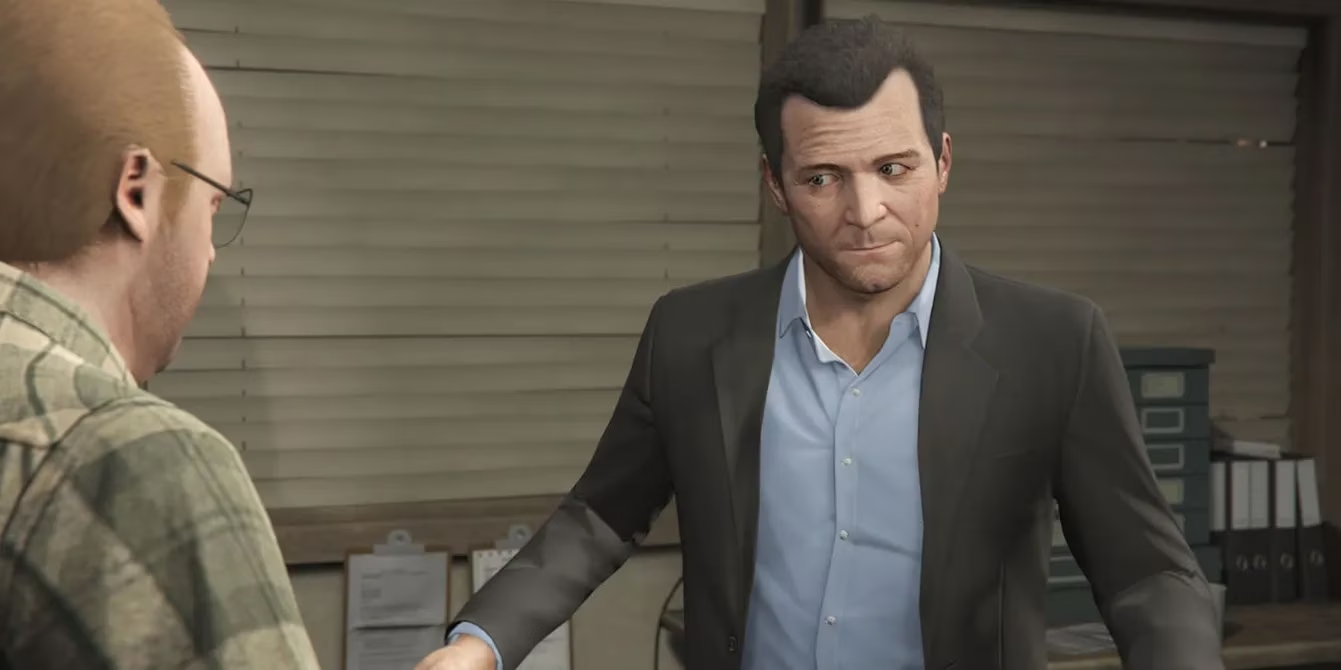
The world of Grand Theft Auto V presented a different kind of tragedy, one born of betrayal. Michael De Santa, the retired bank robber trying to cling to his fabricated suburban life, was a man constantly pulled back into the chaos. His potential death at the hands of Franklin, orchestrated by the vile Devin Weston, is a masterclass in emotional complexity. Choosing that path feels like tearing the final page from a favorite book. Michael, for all his flaws, was a mentor to Franklin. To see him betrayed, to watch him fall from that water tower, is to witness the death of a fragile dream of normalcy. He leaves behind a fractured family, and the player is left complicit in creating another generation of orphans in Los Santos.
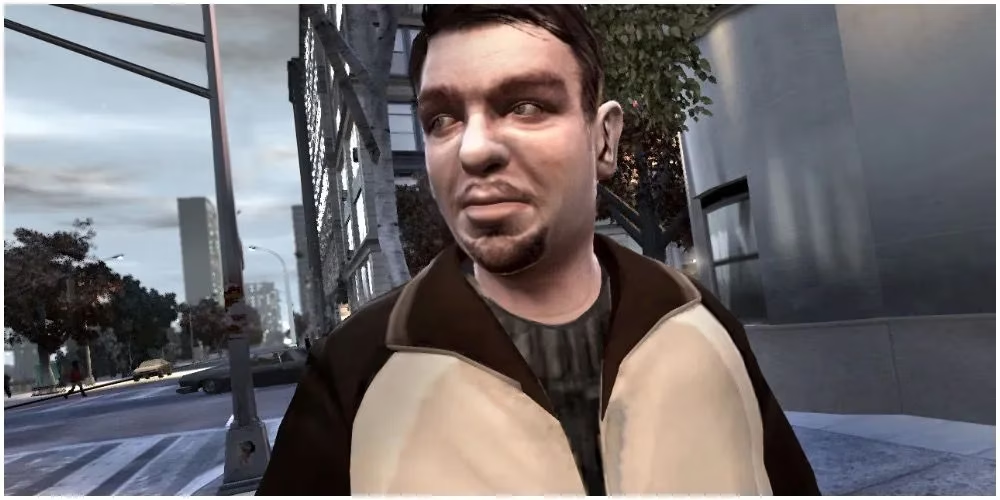
Perhaps no death in Rockstar's history is as senselessly cruel as that of Roman Bellic in Grand Theft Auto IV. Roman was the heart of that story—loud, optimistic, obsessed with bowling, and utterly devoted to his cousin Niko and his fiancée Mallorie. He represented the promise of the American Dream that Niko fought so hard to protect. To have him gunned down at his own wedding, in a hail of bullets meant for Niko, is a tragedy of Shakespearean proportions. It’s the moment the music dies at the party. Niko's quest for revenge and closure directly leads to the destruction of the very happiness he sought to build. Roman's death isn't just the loss of a character; it's the annihilation of hope, a bright light snuffed out on what should have been the happiest day of his life.
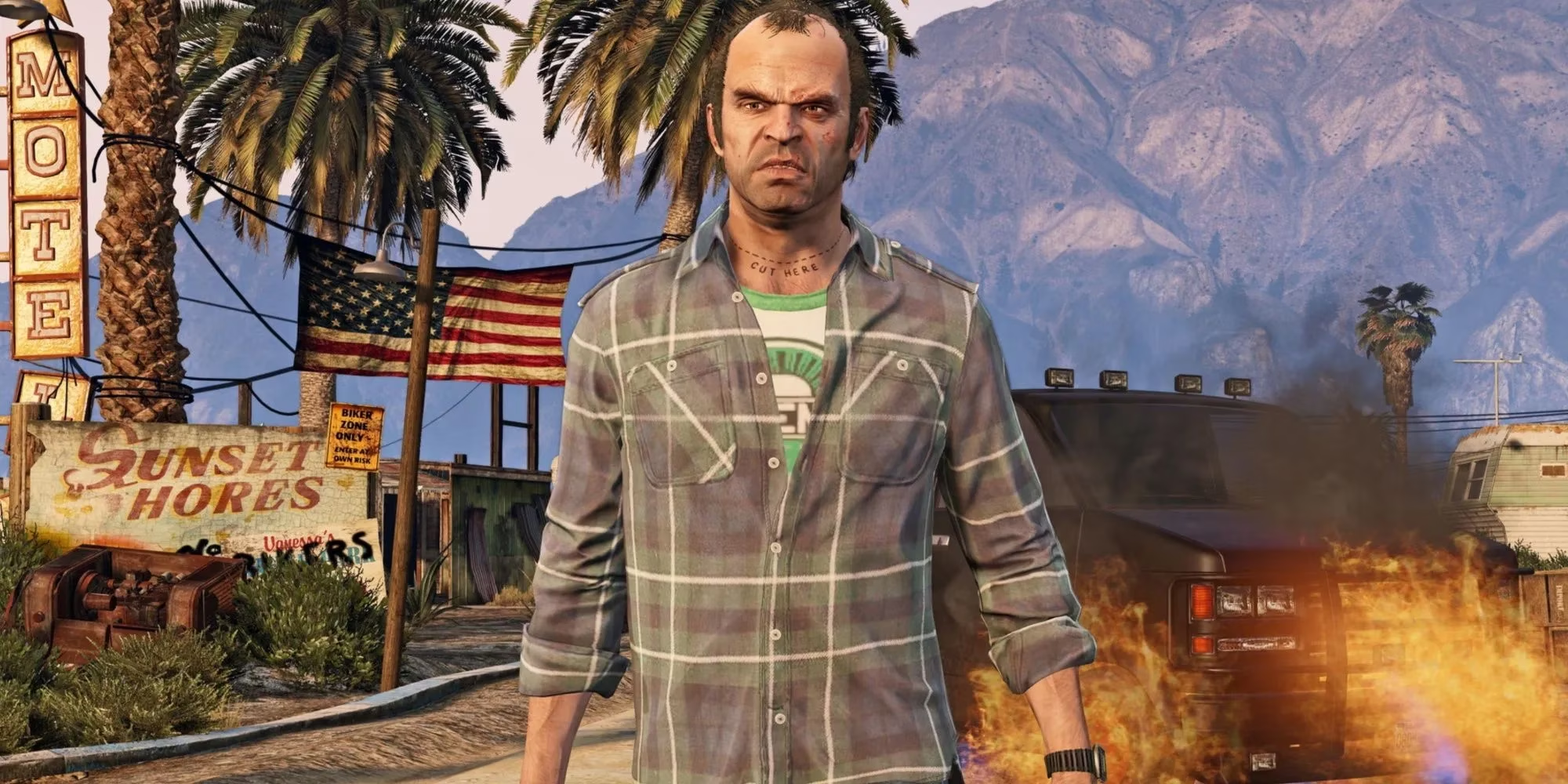
Then there's Trevor Philips. A force of pure, unfiltered id, Trevor was a human wildfire—chaotic, destructive, but mesmerizing in his raw intensity. His death, if chosen, is particularly brutal: set ablaze and burned alive by his former allies. While part of you might feel a grim sense of justice, another part recognizes the profound loneliness of his end. Trevor, for all his rage and violence, was desperately seeking connection, a family. His demise is the final, violent spasm of a creature that never fit into the world's puzzle, a cracked and discarded piece that could never find its place. He died as he lived: in a terrifying, isolated inferno of his own making.
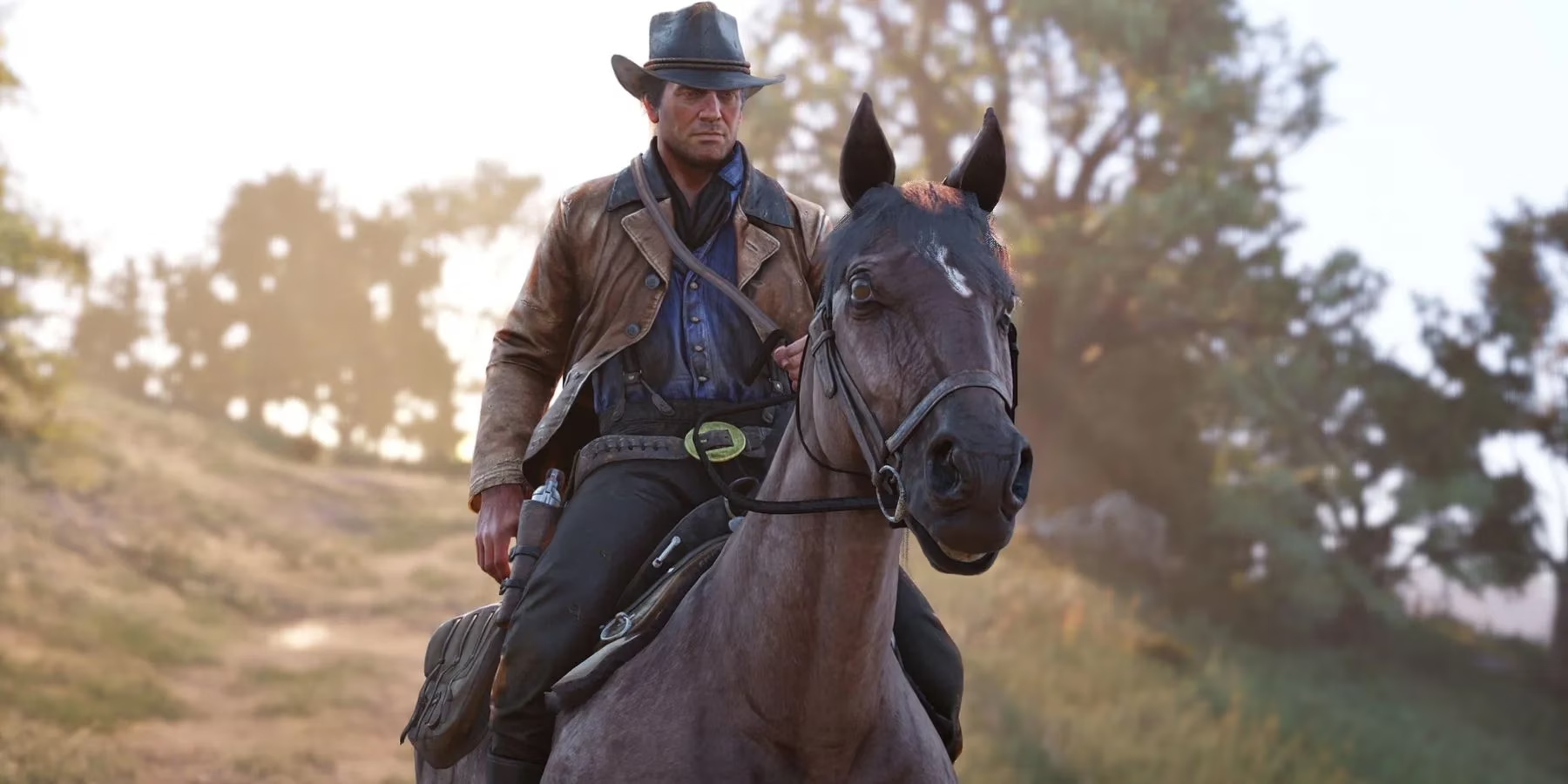
For many, the pinnacle of Rockstar's tragic storytelling is Arthur Morgan in Red Dead Redemption 2. Arthur's death is not a surprise; it's a slow, inevitable sunset we are forced to watch. Stricken with tuberculosis, we witness his physical body wither while his spirit solidifies into something noble. His final acts are not of vengeance, but of redemption—securing the escape of John Marston's family. His last stand against Micah Bell on that misty mountain ridge, followed by his quiet acceptance of the end as he watches one final sunrise, is utterly heartbreaking. Arthur's death is like a great, old tree finally succumbing to a storm; its fall leaves a gap in the landscape that can never be filled, but the soil it nourished is richer for it. He didn't just die; he made his death mean something.
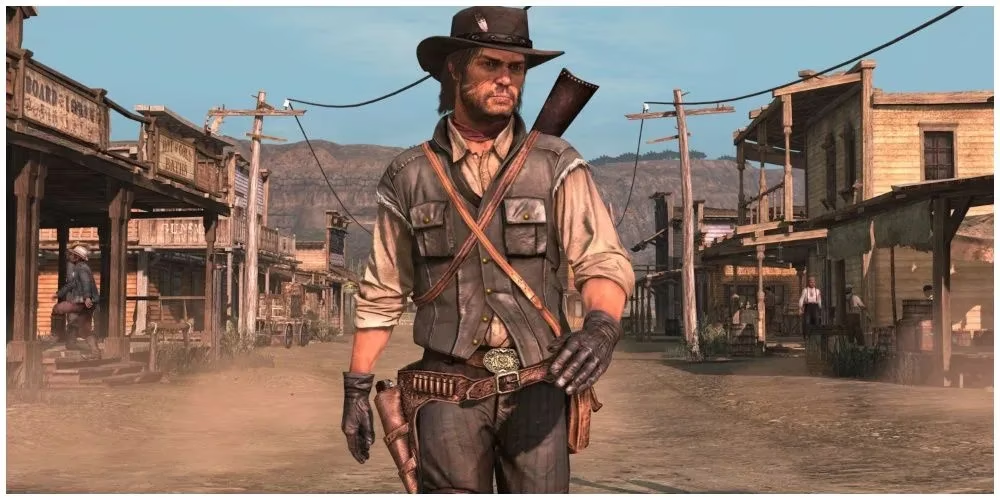
And we cannot forget the original heartbreak: John Marston. After everything—the betrayals, the hunts, the hard-won peace at Beecher's Hope—the law he served comes to collect its pound of flesh. His death is a masterpiece of stoic tragedy. Knowing the end has come, he sends his family away and walks out of that barn not with a scream, but with a defiant calm. He faces a small army alone, a single man against the inexorable tide of a changing world that has no place for him. The barrage of gunfire that cuts him down is a violent end to the age of the gunslinger. John's death wasn't just the loss of a protagonist; it felt like the closing of a historical chapter, a door slammed shut on an entire way of life.
| Character | Game | Nature of Death | Lasting Impact |
|---|---|---|---|
| Uncle | Red Dead Redemption | Shot defending Beecher's Hope | Proved loyalty transcends a lifetime of laziness |
| Michael De Santa | Grand Theft Auto V | Betrayed and killed by Franklin (in one ending) | A betrayal that shatters the illusion of the criminal 'family' |
| Roman Bellic | Grand Theft Auto IV | Gunned down at his wedding | The ultimate cost of Niko's quest for revenge |
| Trevor Philips | Grand Theft Auto V | Set on fire by Michael/Franklin (in one ending) | A violent end highlighting profound, self-made isolation |
| Arthur Morgan | Red Dead Redemption 2 | Succumbs to TB after a final act of sacrifice | A death that defines redemption and leaves a legacy |
| John Marston | Red Dead Redemption | Executed by the army at his ranch | The symbolic end of the outlaw era |
These moments are more than plot points. They are the emotional anchors of these vast, open worlds. They remind us that in games about chaos, crime, and freedom, the most powerful force is often connection, and its loss is the deepest wound of all. As we look ahead to new stories from Rockstar, we do so with a mixture of excitement and trepidation, knowing all too well the emotional craftsmanship—and the heartbreaking cost—that awaits us.
Comments