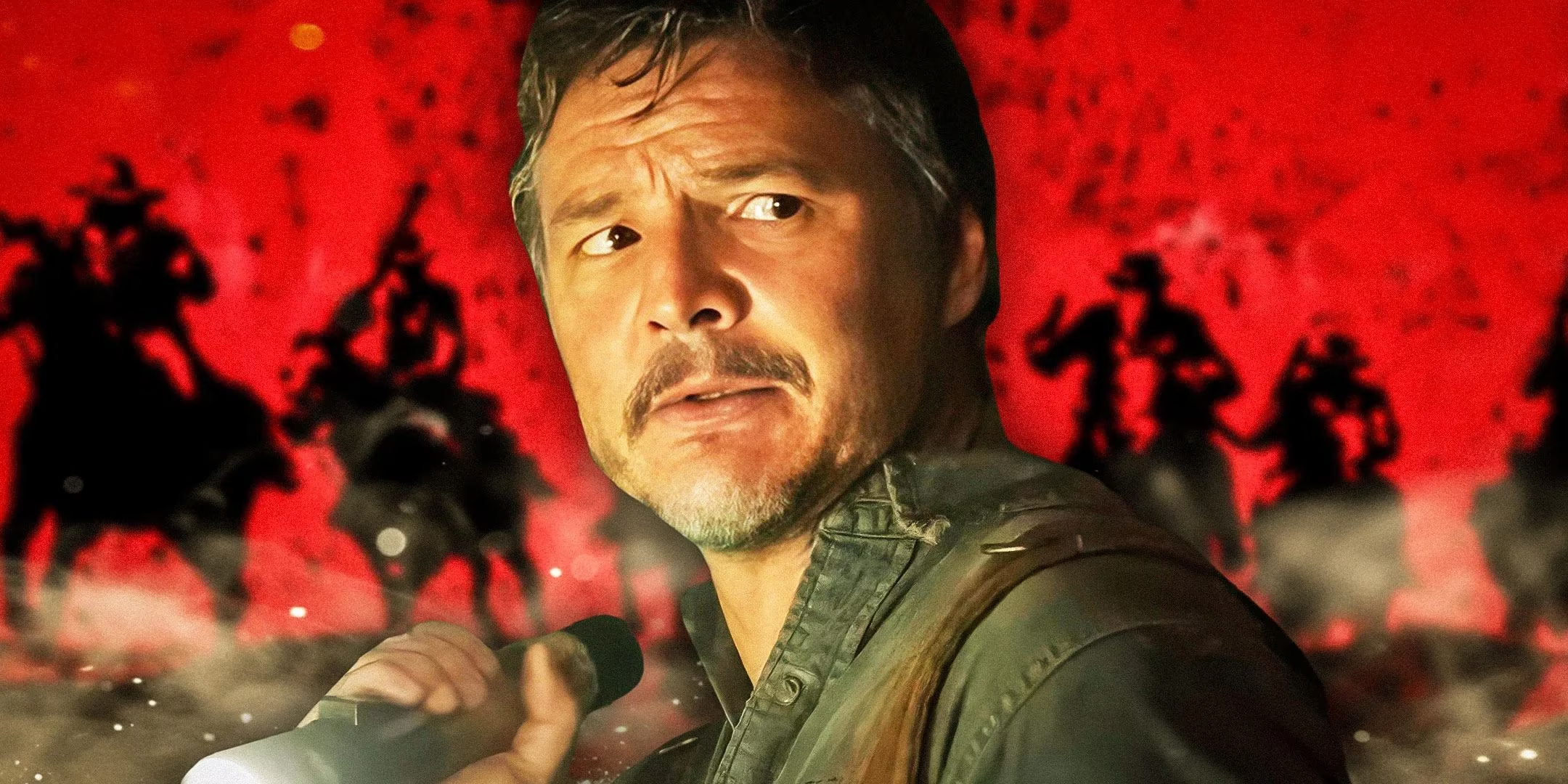
The winds of change have swept through the landscape of video game adaptations, transforming what was once a barren wasteland of critical failures into a fertile ground for storytelling triumphs. As the decade of the 2020s unfolds, the phenomenal success of The Last of Us on HBO stands not as a lone monument, but as the herald of a new era—one where the narrative depth of interactive worlds is not just translated, but transfigured for the screen. From the atomic wastelands of Fallout to the neon-lit chaos of Cyberpunk: Edgeunners, the proof is in the reception. Yet, amidst this renaissance, one epic tale of redemption and the dying frontier remains conspicuously absent from the silver screen, its potential as vast and untamed as the plains it depicts.
A Story Sculpted for Cinema
The saga of Red Dead Redemption is, in its very bones, a cinematic odyssey waiting to be filmed. It is not merely a game with a plot; it is an elegy for an era, a sprawling narrative that charts the sun's final, bloody descent on the American frontier. The original 2010 masterpiece follows the harrowing journey of John Marston, a man caught between the ghosts of his outlaw past and the fragile hope of a domesticated future. His family held hostage by a corrupt government, he is forced to hunt down the very brothers-in-arms he once rode with. This is not a simple tale of good versus evil, but a morally complex web of loyalty, betrayal, and the desperate cost of a second chance.
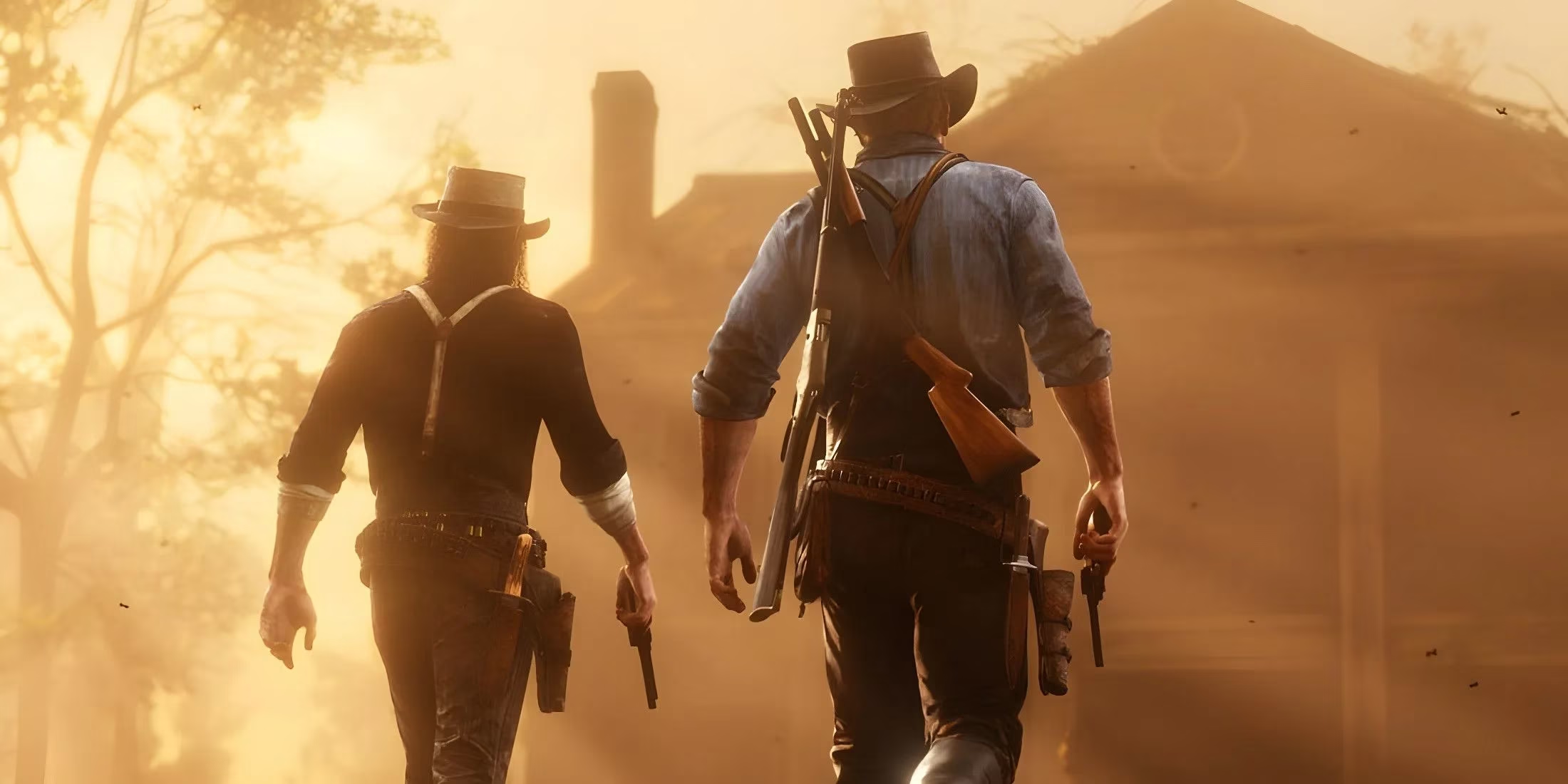
Twelve years earlier, in the 2018 prequel Red Dead Redemption 2, we walk in the worn boots of Arthur Morgan. Here, the story deepens, becoming a poignant meditation on legacy, illness, and watching the world you know crumble into the dust of progress. Together, these two narratives form a complete, heartbreaking arc about the end of the Wild West, seen through the weary eyes of aging gunslingers. The scope is inherently epic, demanding the grand canvas of a multi-film franchise. One can almost see it: the breathtaking, wide-angle cinematography capturing the majestic yet unforgiving landscapes, juxtaposed with the intimate, brutal violence that defines the characters' lives. It is a story of scale and soul, perfectly suited for the immersive experience of a darkened theater.
Forging a New Path in a Crowded Genre
While many successful adaptations have comfortably settled into established cinematic genres—action-adventure, survival horror, animated fantasy—Red Dead Redemption presents a unique and uncharted opportunity. There has never been a gritty, serious western adaptation of a video game. This franchise would not be entering a crowded field; it would be defining a new one. Its narrative DNA is not drawn from the clean, heroic myths of classical westerns, but from the revisionist and spaghetti westerns that deconstructed them.
-
It draws from a rich, specific cinematic tradition: The grim violence of The Proposition, the operatic, last-stand grandeur of The Wild Bunch, the weary moral reckoning of Unforgiven.
-
It offers built-in cinematic moments: The snowy, desperate opening of Red Dead Redemption 2 is a direct homage to the bleak The Great Silence. The tense "Great Mexican Train Robbery" mission already plays like a scene from The Assassination of Jesse James by the Coward Robert Ford.
A film adaptation would be a chance to resurrect this rich, anti-western tradition for a modern audience, blending stunning landscape photography with profound social commentary and deeply flawed, human characters. It would not just be a video game movie; it would be a western of considerable weight and artistry.
The Built-In Audience: A Critical Advantage
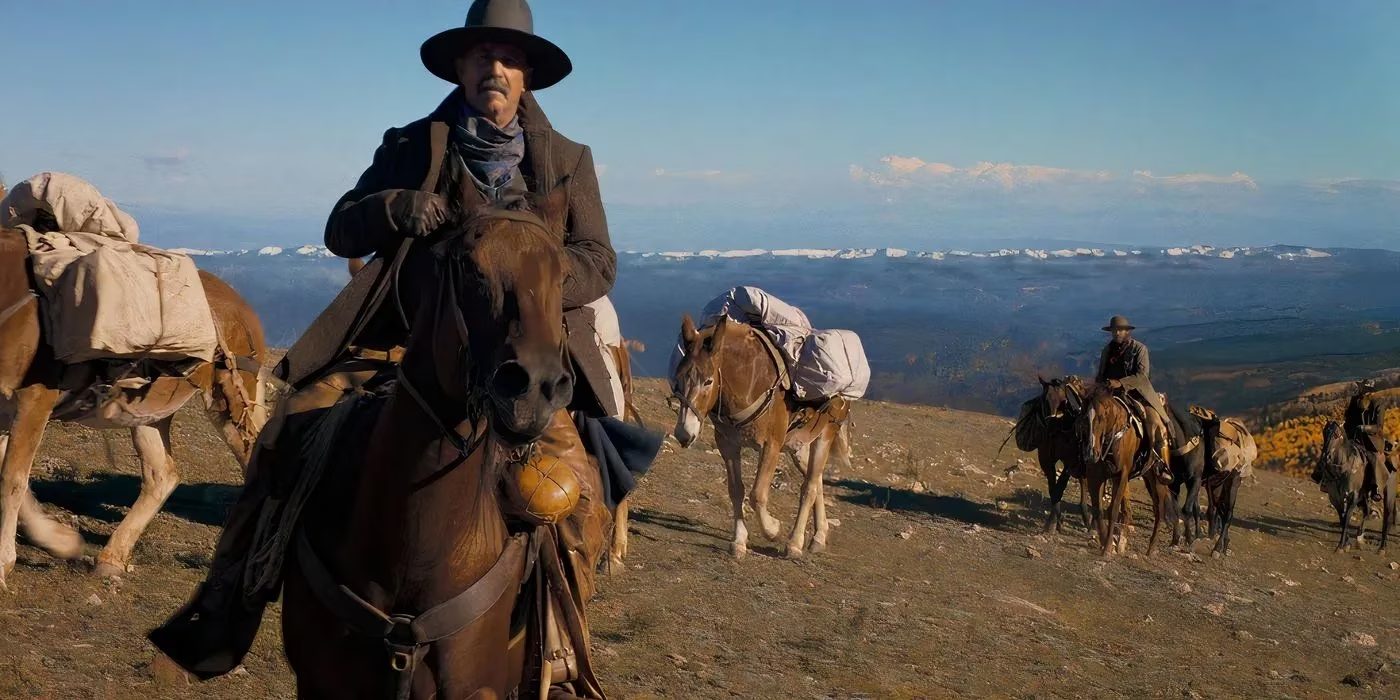
Let us speak plainly of commerce, for it is the engine of Hollywood. The western genre, in its pure form, has been a perilous bet at the box office for decades. The recent underperformance of ambitious projects like Kevin Costner's Horizon: An American Saga serves as a stark reminder. Audiences today are selective, and convincing them to invest in a genre perceived as dormant is an uphill battle.
This is where Red Dead Redemption holds an insurmountable advantage. It is not merely a western pitch; it is an adaptation of one of the most critically acclaimed and commercially successful pieces of intellectual property in entertainment history. The games have sold tens of millions of copies, and their narratives are beloved by a global, dedicated fanbase. A Red Dead Redemption movie would carry with it a massive, pre-sold audience—millions of players who have already lived this story and are eager to see it realized in a new medium. It would attract viewers who might never buy a ticket for a traditional western but would journey to theaters for the chance to revisit the world of John Marston and Arthur Morgan. This built-in safety net is a luxury almost no original western property possesses.
The Stalemate at the Crossroads
So, with a story tailor-made for film, a genre all to itself, and a guaranteed audience, why does the horizon remain empty of this particular rider? The answer lies not in a lack of interest, but in a clash of cultures at the negotiation table. According to Dan Houser, Rockstar Games' visionary co-founder and head writer, the journey toward adaptation has been fraught with "a few awkward dates" with Hollywood studios.
The core issue is one of creative control. Rockstar Games has built its empire on unparalleled narrative depth, meticulous world-building, and a specific, uncompromising tone. They are not a developer eager to be "blinded by the lights" of Hollywood and hand over their billion-dollar franchises for a simple licensing fee. They would, understandably, demand significant creative oversight to ensure any adaptation honors the spirit, complexity, and moral ambiguity of the source material. Many major studios, however, are historically reluctant to relinquish such control, especially on a project of this potential scale and cost. It is a standoff between cinematic guardians and cinematic producers, with a masterpiece caught in the middle.
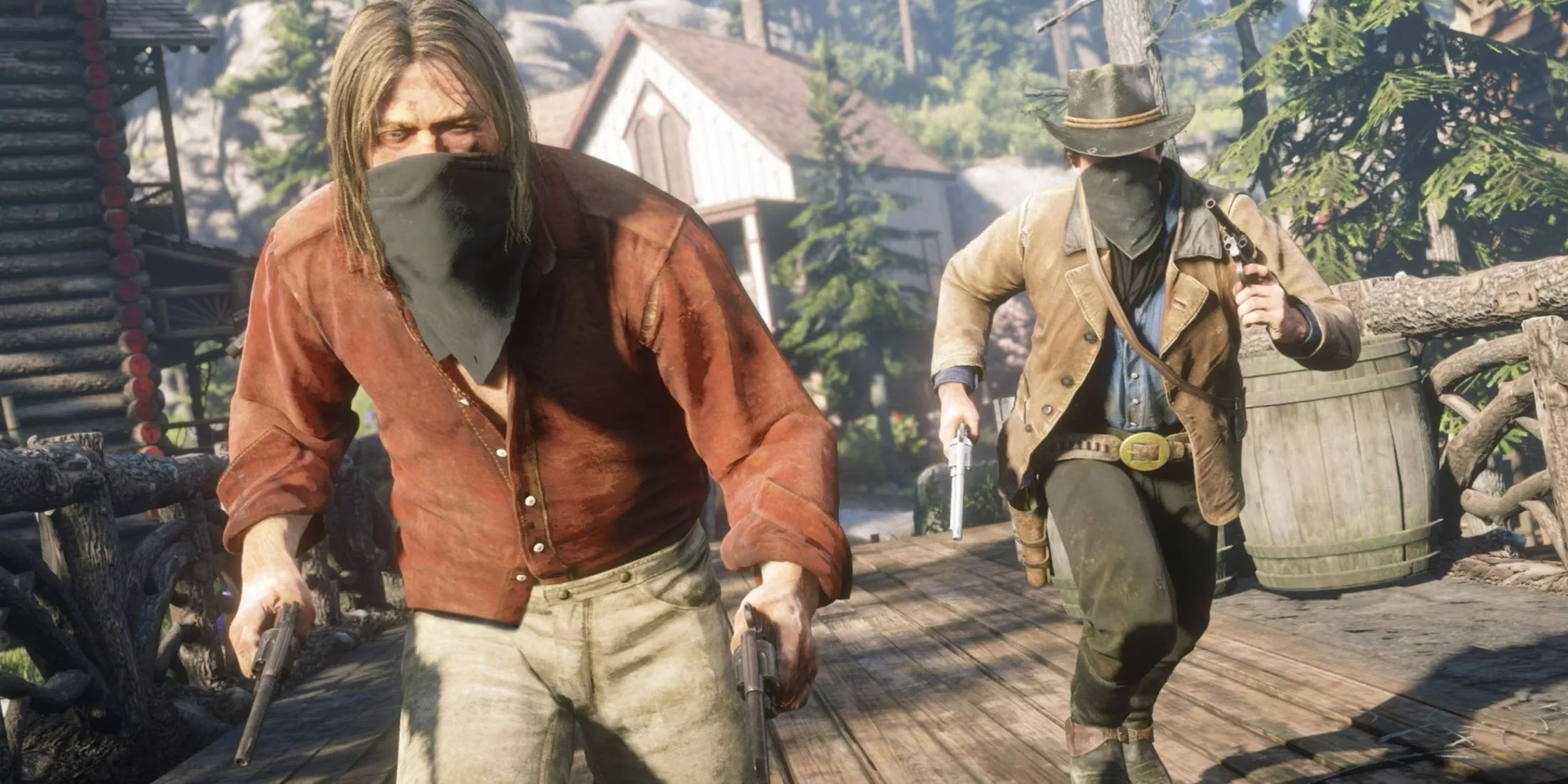
The path forward is clear, yet narrow. It requires a studio with both the courage to invest in a genre-defining project and the humility to partner authentically with the original storytellers. The model has already been proven successful; the involvement of Neil Druckmann was pivotal to the authenticity of The Last of Us. A Red Dead Redemption adaptation would need a similar symbiosis—a director and writers who view the games not as a blueprint to be simplified, but as a foundational myth to be expanded upon with reverence and skill.
As we look to the future of storytelling, the case for bringing Red Dead Redemption to the cinema grows only more compelling. It represents the next logical step in the evolution of video game adaptations: moving beyond proven genres to conquer new ones, armed with a story of unparalleled depth and a fanbase of unparalleled passion. The sunset of the Wild West has been rendered in breathtaking detail through a controller; now is the time to let it wash over audiences in the shared darkness of a theater, a final, glorious testament to a world that refuses to be forgotten. The pieces are all on the board—the epic tale, the hungry audience, the proven potential of the medium. All that remains is for Hollywood to find the courage to make the right deal, and in doing so, perhaps redeem a genre alongside its gunslinging heroes.
Comments