On a rain-slicked night in Los Santos, a player wandered through Franklin's apartment and noticed a small detail that refused to leave her mind: a Red Dead book credited to a certain J. Marston. It was a classic Rockstar Easter egg, the kind that rewards curiosity and fuels fan theories. If the two worlds already trade winks, she wondered, why not merge them? The answer became clearer the longer she thought about it. Grand Theft Auto and Red Dead Redemption may share a publisher, a love of detailed open worlds, and a habit of hiding references to one another, but their souls are fundamentally different. In 2026, as open-world games grow more ambitious and crossovers feel increasingly tempting, that difference is exactly why the two series should remain unconnected.
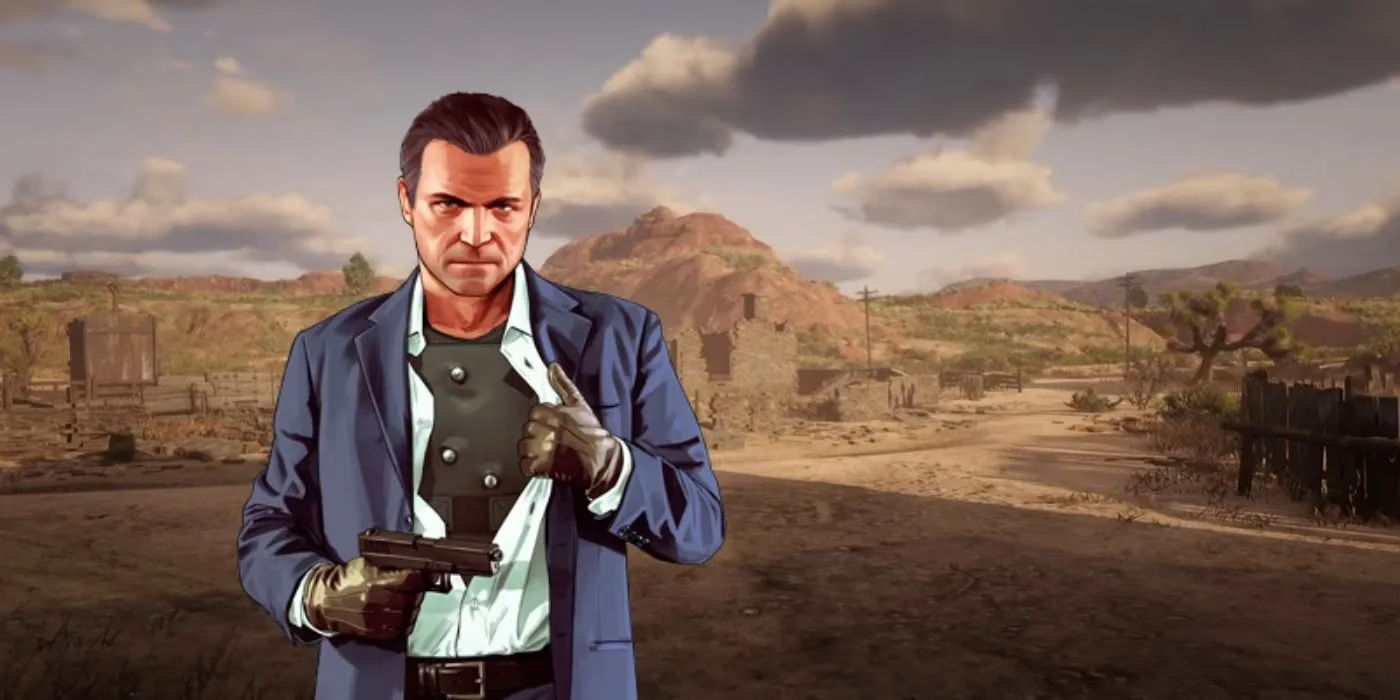
The references are not hard to find. Grand Theft Auto 5 hides Red Dead imagery and locations in one of its in-game movies, Capolavoro, and the book in Franklin's apartment teases a connection that some players desperately want to become real. These Easter eggs are fun precisely because they are small. They are nods, not bridges. Would a full crossover really improve either world, or would it risk flattening the very atmospheres that make each series distinctive?
Two Tones, Two Different Promises
Grand Theft Auto has long been a satirical crime saga. Its best moments come from humor, exaggeration, and sharp jabs at corporations, celebrities, and modern life. The series invites players to laugh at the absurdity of its world even while causing chaos within it. Red Dead Redemption, by contrast, strives for something slower and more emotional. Red Dead Redemption 2 earned acclaim for its hyper-realistic pacing, immersive detail, and melancholy story. Its narrative weight has more in common with a serious prestige drama than with the joke-a-minute energy of Los Santos.
That contrast is not a flaw. It is the point. What would Arthur Morgan make of Grand Theft Auto's talk radio, celebrity culture, and cartoonish violence? Would a satirical crime epic really benefit from a solemn cowboy riding through its streets? The question sounds funny for a moment, but the answer is less amusing: each world could lose the tonal discipline that gives it impact.
The Easter Egg Is the Right Size
Rockstar's small links work because they stay small. A book title here, a movie backdrop there, a location name hidden in plain sight: these are playful winks for attentive fans. They tease without demanding a shared universe. The danger begins when a wink becomes a promise. If Rockstar pushed the connection further, the result might satisfy curiosity while weakening the identity of both franchises.
A useful comparison shows how differently the two series operate:
| Element | Grand Theft Auto | Red Dead Redemption |
|---|---|---|
| Tone | Satirical, humorous, chaotic | Serious, melancholic, deliberate |
| Emotional focus | Laughs and action set-pieces | Character bonds and narrative weight |
| Signature strength | Social commentary and absurdity | Immersion and slow-burn storytelling |
| Easter eggs | Hidden jokes and references | Mostly self-contained world-building |
Rockstar has already shown that it can separate tones when it wants to. Bully followed a lighter, mischievous tradition, while Red Dead and L.A. Noire leaned into more serious narratives. That separation is a strength, not a limitation. It proves the studio can build distinct identities rather than forcing every franchise into one crowded universe.
The Style Gap Is Real
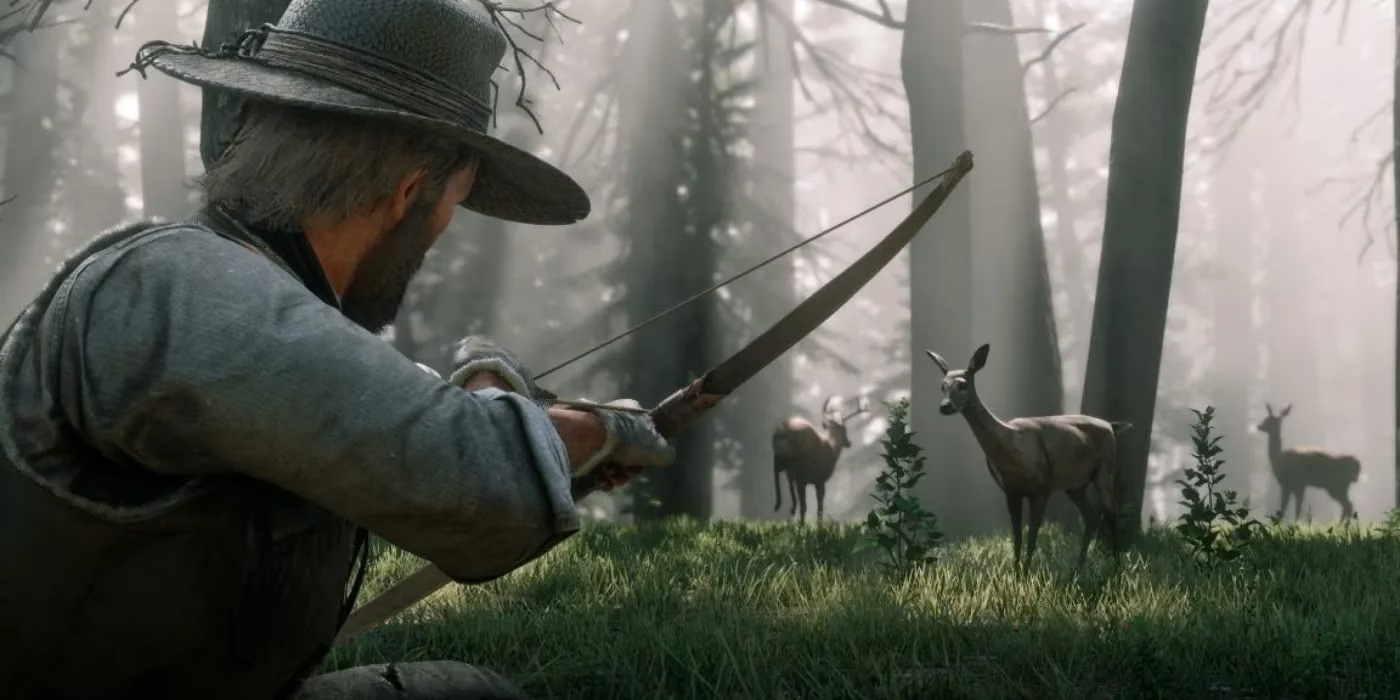
Red Dead Redemption 2 adds stylized features that deepen its identity: chapter structures, occasional narration from Arthur Morgan, and a pace that encourages players to linger. Arthur is arguably one of Rockstar's best protagonists because the game gives him room to breathe, reflect, and change. That kind of narrative framing would feel out of place in Grand Theft Auto, where momentum, satire, and set-piece chaos usually matter more than quiet introspection.
The exception proves the rule. Undead Nightmare briefly removed Red Dead's serious tone and became a memorable expansion, but it worked as a detour, not a permanent direction. The cowboy series benefits most from its serious, slower-paced style, just as Grand Theft Auto benefits from its attention to humor and satire. Why trade those strengths for a crossover that would serve neither?
A Nod Is Enough
Both series have achieved enormous success without needing each other's help. Grand Theft Auto remains a defining force in satirical open-world crime fiction, and Red Dead Redemption stands as one of gaming's most emotionally resonant westerns. Their Easter eggs are delightful because they feel like secret handshakes between fans, not foundations for a shared canon.
So the player in Los Santos closed the book, smiled at the joke, and moved on. That is exactly what the reference should be: a light-hearted nod, a clever detail, and nothing more. In 2026, with both franchises still casting long shadows over the medium, the wisest choice is also the simplest. Let the cowboy ride his own trail. Let the criminal chase his own chaos. Keep the wink, but leave the worlds apart. 🎮🤠🌵
Comments