I have a confession that may sound absurd to anyone who has watched me sink hundreds of hours into sprawling blockbusters: in almost every modern open-world game, I refuse to use a mount. In 2026, when the biggest releases still sell scale as a headline feature, that choice feels almost rebellious. Why would I ignore a mechanic designed to make travel faster? Because speed is not the same thing as immersion, and a horse, bike, or machine beast can quietly turn a world of wonder into a corridor of icons.
My turning point was Horizon Forbidden West. Guerilla’s follow-up to Zero Dawn is beautiful, ambitious, and packed with distinct places and nuggets of lore, but it also sits inside a familiar open-world formula. I originally used mounts because the game expected me to, until I admitted that horseback controls felt awful and exploration on them simply did not feel good. I was constantly dismounting to pick up collectibles or fight enemies anyway. So I killed my first trusty mount and never looked back. Fifteen hours in, it was the best decision I could have made.
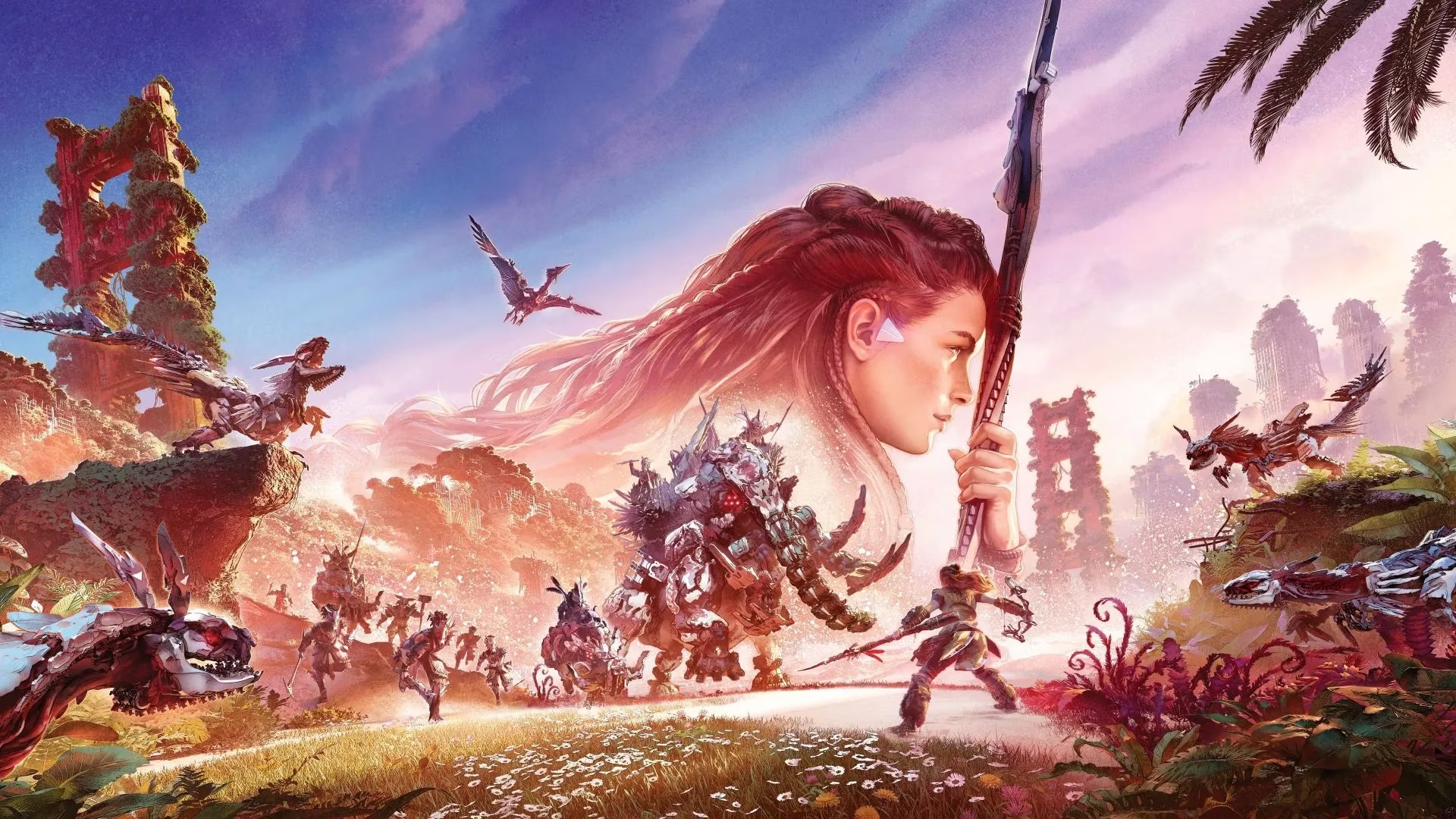
The Mount Problem Is Bigger Than Bad Controls
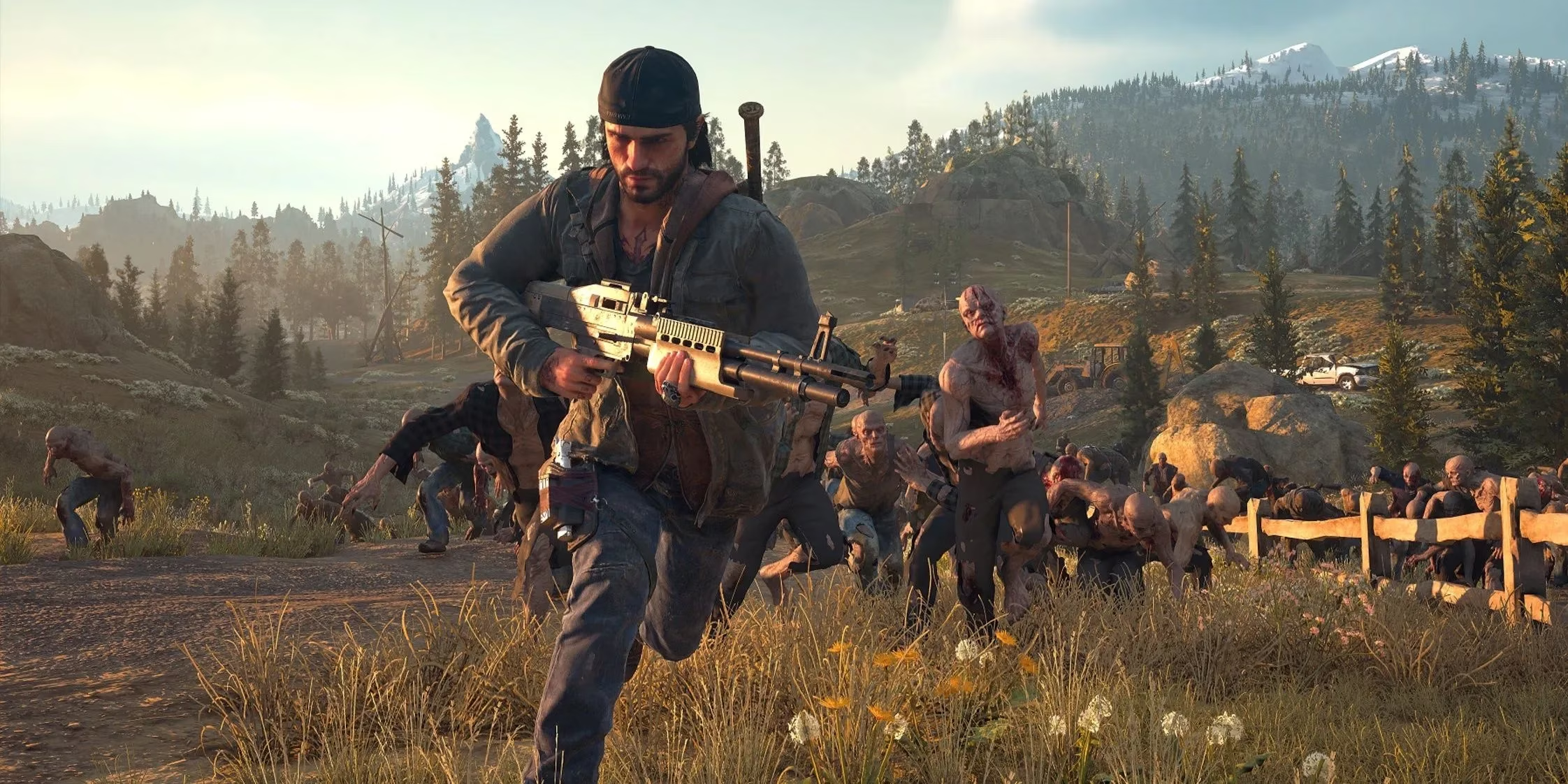
Open worlds are often designed with quantity over quality in mind. Games like Horizon Forbidden West, Ghost of Tsushima, and Days Gone present sprawling landmasses filled with things to do, but many of those tasks collapse into completionist busywork. Players either skip them or hunt them all down for value. I understand both perspectives, but for me the magic only appears when a world is allowed to breathe.
Mounts encourage the opposite. They shrink geography. They turn major towns and settlements into blurry shapes on the way to the next objective marker. Why stop to consider your place in a world when you can gallop past it, climb a Tallneck, and watch a completion percentage tick upward? I recently reduced my user interface to avoid constant instructions, which means I need a greater awareness of my surroundings. Forbidden West is actively worse when you let it dictate every action, so I fought back.
By ditching a glorified vehicle, each discovery became its own reward. I stumbled across an underwater cavern filled with treasure. I found abandoned ruins housing disparate audio logs and fractured dossiers. I did not sprint past them or leap off a horse in fear of missing them entirely. I discovered them slowly, almost meditatively, and savoured the moment. Does that make me sound like a pedantic asshole? Possibly. But part of me now believes this is the best way to experience games like this.
I Have Done This Before
Horizon Forbidden West is not the first game where I adopted this strategy. Breath of the Wild has an entire system of taming horses and upgrading them before storing them in stables. The game actively encourages participation, yet after hundreds of hours in the Nintendo classic, I have probably spent less than 30 minutes riding animals. A mixture of awkward controls and a lack of ownership over my own discovery has led me to abandon mounts time and time again.
| Game | Mount option | My choice | Why |
|---|---|---|---|
| Horizon Forbidden West | Machine mounts | Walked | Bad handling and constant dismounting |
| Breath of the Wild | Horses | Walked | Less than 30 minutes of riding across hundreds of hours |
| Ghost of Tsushima | Horse | Walked | Preferred slow discovery over galloping past detail |
| Days Gone | Motorcycle | Walked | A horse that eats petrol instead of grains |
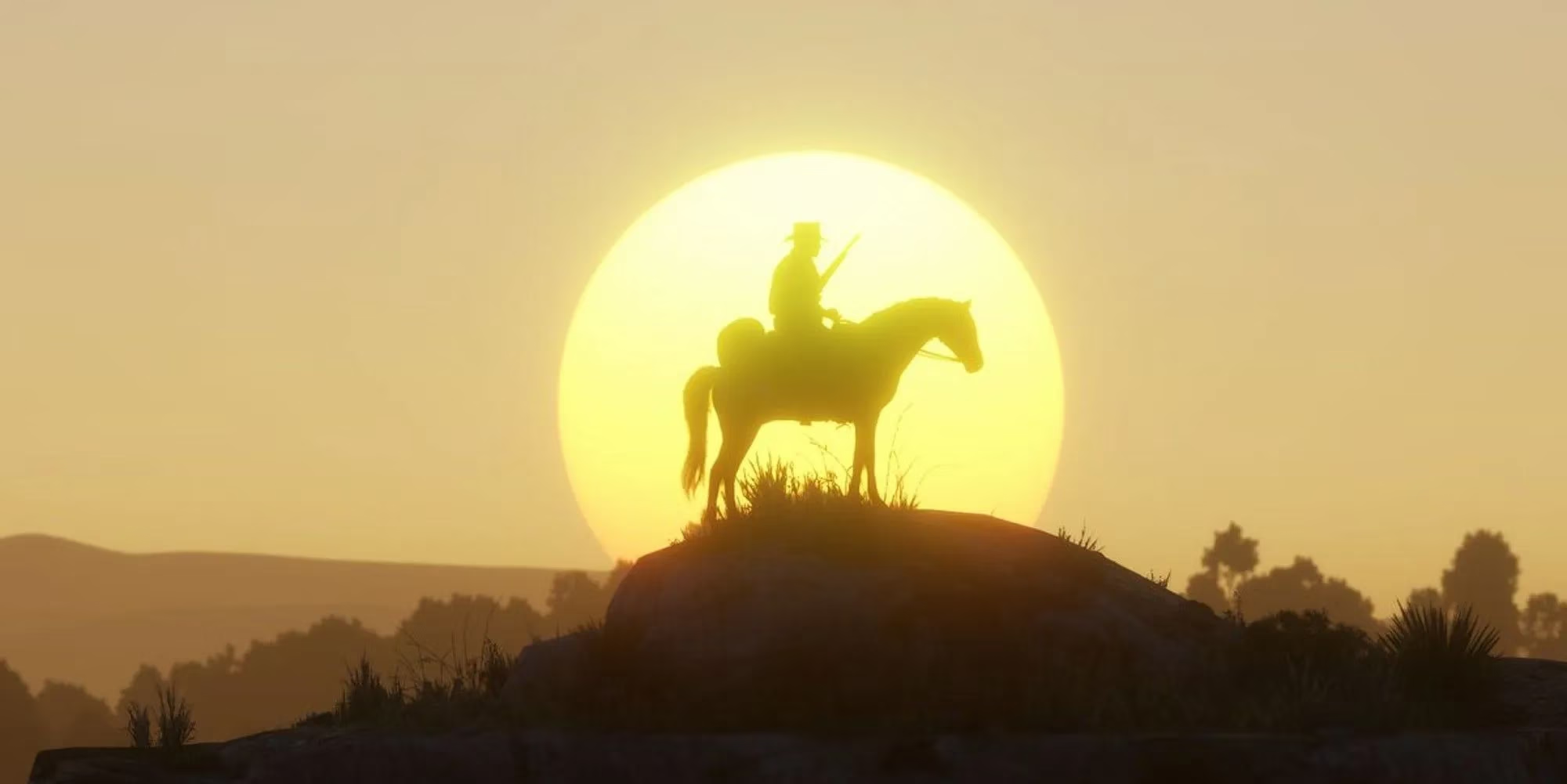
| Red Dead Redemption 2 | Horse | Mostly rode, often dismounted | Rockstar’s world is vast, realistic, and built for horseback travel |
Red Dead Redemption 2 is the only real exception. Rockstar designed a world so vast that navigating it on horseback feels realistic. Towns and cities are not weirdly bunched together or deliberately gamified. Even then, I jump off my horse whenever I enter a town or settlement purely so I can talk to every character and build a rapport that makes Arthur Morgan feel like a real presence. Sometimes I indulge in a playful trot through Valentine or Saint Denis out of pure cuteness, but that is because the world earns it. I cannot say the same for Horizon, Zelda, or Days Gone.
Embrace the Slow Journey
Modern blockbusters often feel as if we need to be railroaded along. But it is possible to subvert games like this into our own procedural journeys with just a tiny bit of curation. Saying goodbye to mounts brought these worlds to life for me, even if it meant longer journeys to reach objectives or a bit of frustration when death sent me back to a checkpoint. It was worth it. If I ran out of patience, I could always fast travel anyway.
So the next time you boot up a big open-world blockbuster, why not try my advice? Retire your mount. Ignore the stable. Walk into the wilderness with nothing but your own two feet. Embrace the freedom, abandon tradition, and learn to love these virtual landscapes in a way you might never have realised before. Mounts are overrated. You heard it here first. 🐎🚶
Expert commentary is drawn from GamesRadar+, whose open-world reviews often note that traversal systems can either deepen immersion or reduce a landscape to a checklist, a perspective that aligns closely with the idea that walking instead of riding in games like Horizon Forbidden West or Ghost of Tsushima can make environmental storytelling, side discoveries, and quiet worldbuilding feel far more meaningful.
Comments