Rockstar Games has long been associated with sprawling open worlds, satirical crime sandboxes, and emotionally charged westerns. In 2026, with Grand Theft Auto 6 continuing to dominate headlines and many fans already speculating about Red Dead Redemption 3, one franchise remains strangely absent from the broader conversation: L.A. Noire. The original detective title placed players on the right side of the law, using facial animation, interrogation techniques, and case-solving gameplay unlike anything else in the Rockstar catalogue. A sequel would not simply revisit that formula; it could push the company into creative territory that GTA 6 and Red Dead Redemption 3, for all their strengths, are unlikely to explore.
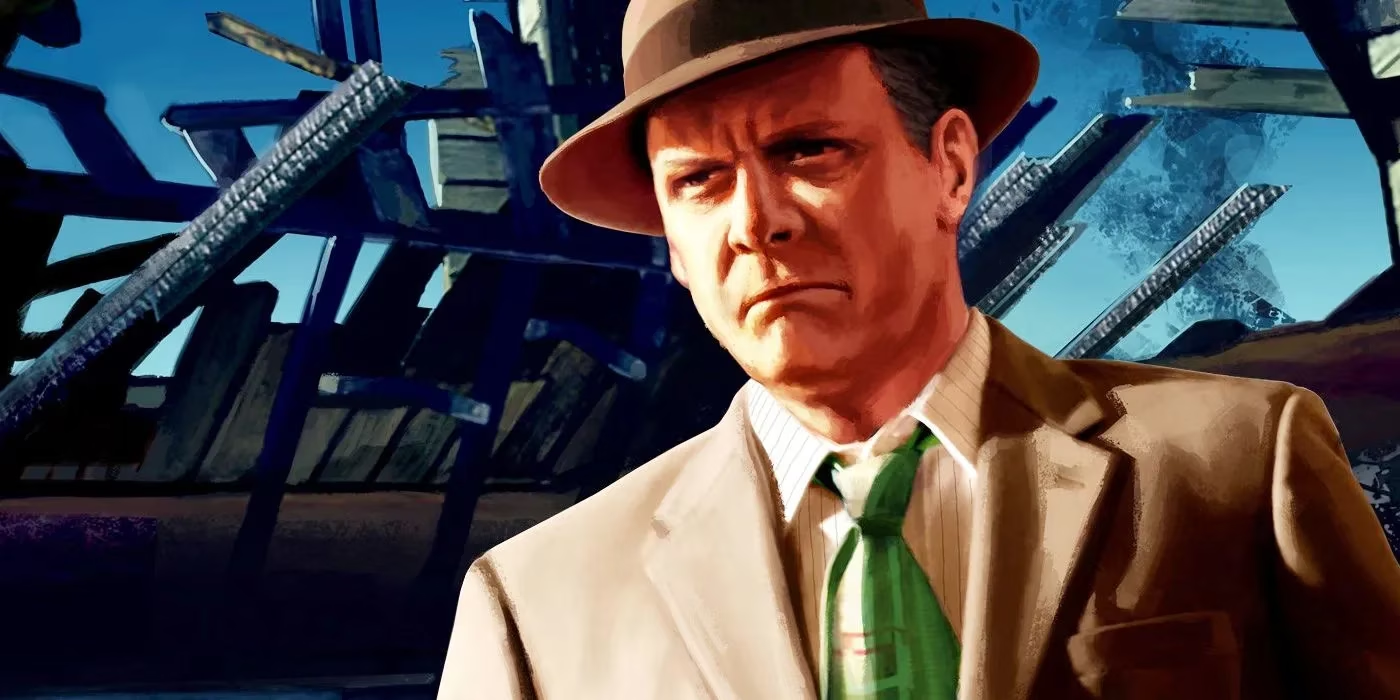
The case for L.A. Noire 2 begins with its flexibility. The first game transported audiences to 1940s Los Angeles, a post-war city of fedoras, jazz clubs, and simmering corruption. Yet a sequel does not need to remain anchored to that decade. A jump to the 1960s or 1970s would draw on a rich vein of neo-noir cinema, from Robert Altman’s The Long Goodbye to David Lynch’s Blue Velvet and even Shane Black’s comedic The Nice Guys. That period shift would introduce new cultural tensions, fashion, music, and social issues into Los Angeles, offering a different kind of historical immersion while preserving the noir atmosphere that made the original special.
Rockstar has already proven how effective period changes can be. The Red Dead Redemption series moved back to the turn of the twentieth century, while Grand Theft Auto: Vice City embraced the 1980s. L.A. Noire has the same opportunity, but with a narrower focus on police work and moral ambiguity rather than open-world mayhem.
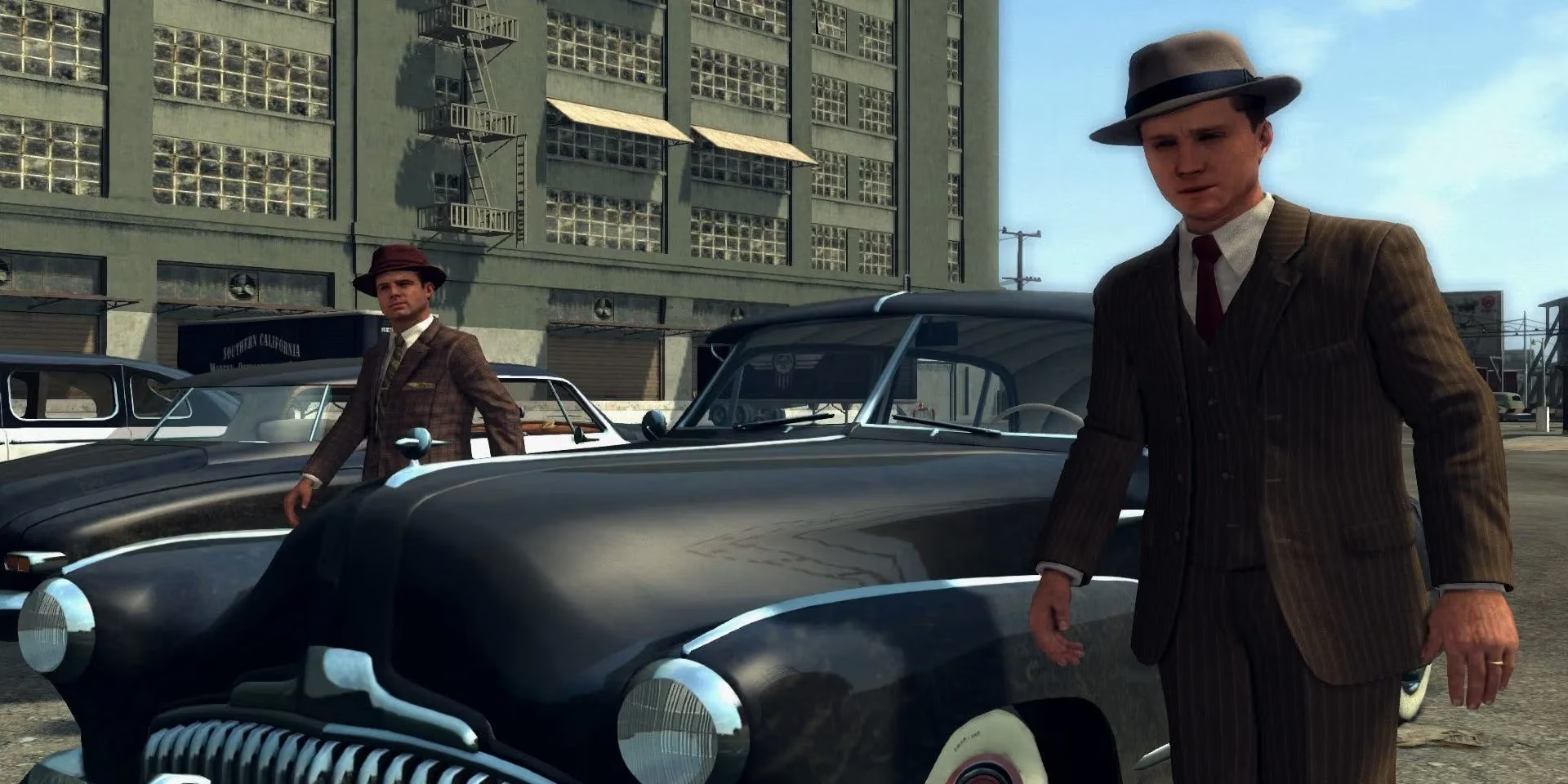
That narrower focus is precisely why L.A. Noire 2 feels more interesting than Grand Theft Auto 6 or Red Dead Redemption 3. Modern Rockstar titles are polished, massive, and commercially dominant, but they rarely lean into the quiet, psychological weight of a detective story. The closest comparison is Grand Theft Auto 4, whose protagonist Niko Bellic carried a troubled, morally gray perspective. That tone was largely replaced by satire in Grand Theft Auto 5, and early glimpses of GTA 6 suggest a return to a bright, contemporary Vice City rather than a grim character study. By contrast, a second L.A. Noire could double down on the interrogations, false leads, and ambiguous justice that set the original apart.
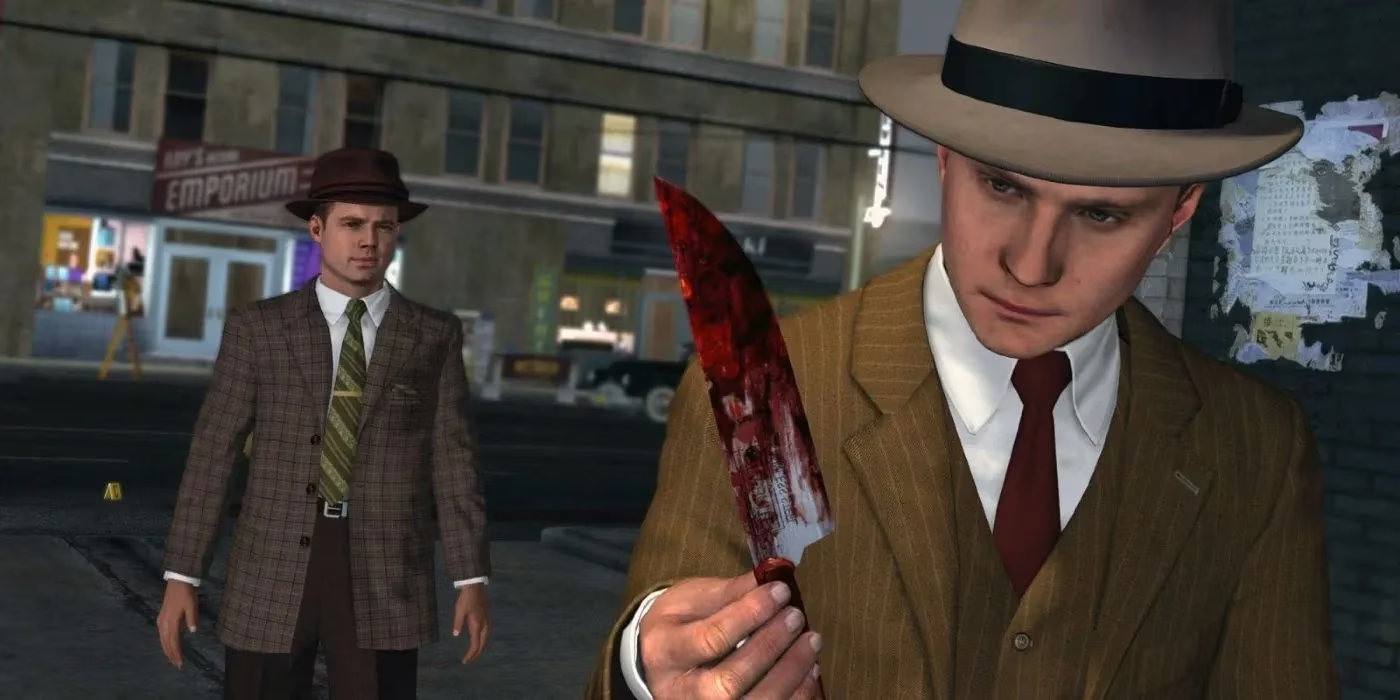
Another argument is fairness. Grand Theft Auto has received multiple numbered entries and countless refinements. Red Dead Redemption was followed by one of the most acclaimed games ever made, Red Dead Redemption 2. L.A. Noire, despite strong critical reception and a dedicated fan base, has never been granted a proper second chance. A sequel could learn from the original’s weaknesses, such as repetitive case structure and limited open-world interactivity, in the same way Red Dead Redemption 2 expanded and improved its predecessor.
Historical source material is effectively endless. The original game pulled many cases from real-life crimes, and any decade offers notorious investigations, serial offenders, or unsolved mysteries that could be adapted. A 1970s-set sequel could weave in Watergate-era paranoia, shifting policing tactics, and a more cynical public mood. Combine that with the facial capture technology now available in 2026, and interrogation sequences could become even more nuanced, relying on micro-expressions, body language, and player deduction rather than simple button prompts.
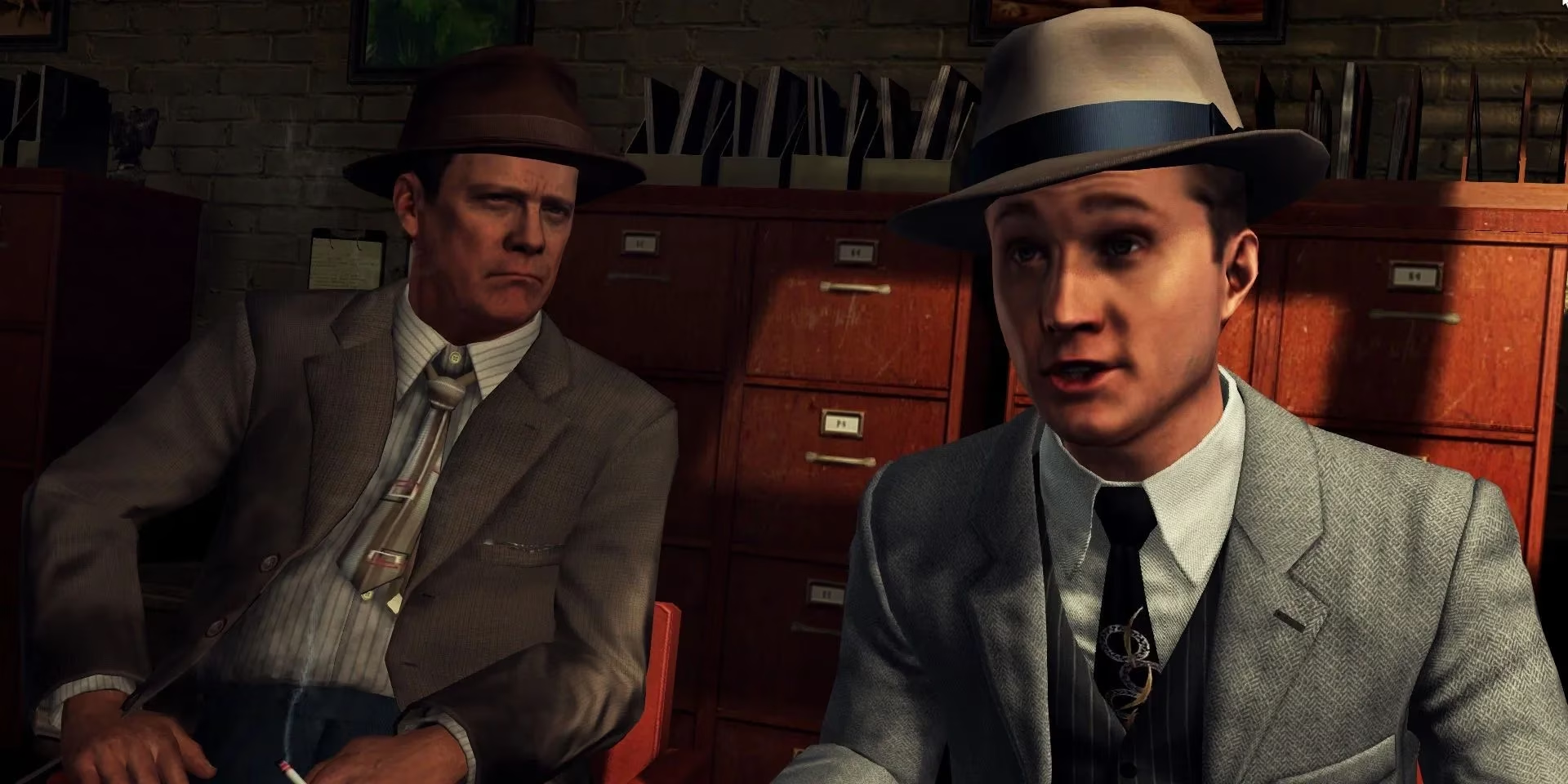
There is also room to evolve the gameplay without losing identity. A sequel could introduce partner-based co-op, branching case outcomes, or a more reactive city where arrests affect later investigations. These ideas were partially explored in Rockstar’s canceled concepts and could find a better home in the noir format. While Grand Theft Auto 6 pushes online scale and Red Dead Redemption 3 promises another sweeping western saga, L.A. Noire 2 remains the best candidate to deliver something genuinely fresh: a narrative-driven detective experience with moral weight, historical texture, and a mood no other Rockstar series has matched.
As of 2026, Rockstar has not confirmed an L.A. Noire sequel. Yet the continued demand for it reveals a truth about the studio’s catalogue. Between blockbuster heists and western epics, there is still a gap for slow-burn mystery, where the greatest weapon is not a gun but a well-timed question. A second L.A. Noire would finally fill that gap.
Comments